Religions of Southeast Asia: A Comprehensive Map and Guide to Regional Faiths
Southeast Asia is one of the most religiously diverse regions in the world, where ancient indigenous beliefs coexist with major world religions brought through trade, colonization, and migration. This guide explores the spatial distribution of religions across Southeast Asian countries, analyzing how geography, history, and culture have shaped distinct religious landscapes from Myanmar to Indonesia. By examining detailed maps and demographic data, readers will gain a nuanced understanding of the dominant faiths, minority traditions, and syncretic practices that define the region's spiritual identity.
Overview of Major Religious Traditions in Southeast Asia
The religious map of Southeast Asia is primarily dominated by three major faiths: Buddhism, Islam, and Christianity. Buddhism holds the largest geographic footprint, with Theravada Buddhism practiced predominantly in mainland states including Myanmar, Thailand, Laos, and Cambodia. Mahayana Buddhism is more common in Vietnam and among Chinese communities throughout the region. Islam is overwhelmingly concentrated in maritime Southeast Asia, especially in Indonesia, Malaysia, Brunei, and the southern Philippines. Christianity has significant strongholds in the Philippines, East Timor, and parts of Indonesia such as Papua and North Sulawesi. Additionally, indigenous animist and Hindu-Buddhist syncretic traditions persist, notably in Bali, Indonesia, and among hill tribes across the mainland.
The Mainland-Malay Archipelago Divide
A defining feature of Southeast Asian religious geography is the distinction between mainland and maritime regions. The mainland, shaped by Indian cultural influence and Theravada Buddhist kingdoms, exhibits a relatively uniform Buddhist majority. In contrast, the Malay Archipelago, influenced by Arab and Indian Muslim traders from the 13th century onward, developed a predominantly Islamic character. This division is clearly visible on any religious map of Southeast Asia, with a sharp line running roughly along the Kra Isthmus in Thailand. The Philippines stands as a notable exception in maritime Southeast Asia, where Spanish colonization introduced Roman Catholicism, creating a Christian-majority nation surrounded by Muslim-majority neighbors.
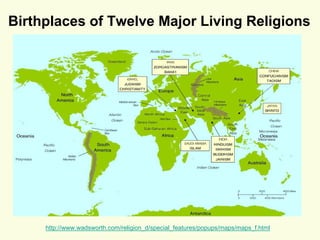
Buddhist Dominance in Mainland Southeast Asia
Buddhism, particularly the Theravada school, is the dominant religion in Myanmar, Thailand, Laos, and Cambodia. According to recent estimates, over 90% of the population in these nations identifies as Buddhist. The religion arrived through Indian missionaries and monks from Sri Lanka between the 3rd and 13th centuries CE, integrating with pre-existing animist and Hindu practices. Monastic education and the practice of merit-making remain central to daily life. In Myanmar, the pagoda-studded landscape of Bagan reflects centuries of royal patronage. Thailand's ubosot (ordination halls) serve as community centers, while Laos and Cambodia maintain strong traditions of novice ordination and temple festivals. Vietnam, though predominantly Mahayana Buddhist, also retains strong Confucian and Taoist influences, creating a distinctive East Asian religious synthesis.
Islamic Heartland: Indonesia, Malaysia, and Brunei
Islam commands the largest absolute number of adherents in Southeast Asia due to Indonesia's population of over 270 million, making it the world's most populous Muslim-majority country. The religion spread gradually through trade networks from the 13th to 16th centuries, replacing earlier Hindu-Buddhist kingdoms such as Majapahit and Srivijaya. In Malaysia, Islam is the official religion, and a distinct form of Malay Islam incorporates local adat (customary law) and Sufi traditions. Brunei Darussalam practices a conservative Shafi’i school of Islam, which also prevails in Indonesia and Malaysia. Southern Thailand and the southern Philippines (Bangsamoro region) have significant Muslim minorities, where historical conflicts with central governments have shaped contemporary religious boundaries. The map of largest religions by country shows a clear Islamic arc across the archipelago, broken only by the Christian Philippines and Hindu Bali.

Christianity and Indigenous Syncretism
Christianity is the majority faith in the Philippines (about 80% Catholic) and East Timor (over 90% Catholic), both former colonies of Catholic European powers. In Vietnam, about 6-8% of the population is Catholic, concentrated in the central and southern regions. Protestantism has grown in Myanmar's Chin and Kachin states, as well as in Indonesia's Papua and North Sumatra. A unique aspect of Southeast Asian Christianity is its frequent syncretism with local animist beliefs, such as the blending of Catholic saints with pre-colonial nature spirits in the Philippines. Similarly, indigenous animist practices persist among the Dayak of Kalimantan, the Batak of Sumatra, and various hill tribes in Laos and Vietnam. These traditions often involve ancestor worship, spirit houses, and shamanic rituals that coexist alongside major religions, creating layered spiritual identities.
Minority Religions and Historical Influences
Hinduism, while not a majority in any country except Bali (where 90% of the population practices a unique form of Balinese Hinduism), has ancient roots in Southeast Asia from the Khmer Empire and Majapahit kingdom. The temple complex of Angkor Wat in Cambodia originally dedicated to Vishnu remains a potent symbol. The Cham minority in Vietnam also practices a form of Hinduism. Taoism, Confucianism, and Chinese folk religion are significant among Chinese diaspora communities across Malaysia, Singapore, and Indonesia. Singapore stands out as a multi-religious state with Buddhism (33%), Christianity (18%), Islam (14%), Taoism (10%), and Hinduism (5%) represented in its census. Judaism, Sikhism, and Baha'i are practiced by small communities, mainly in urban centers. The historical presence of Jewish traders in medieval Malacca and the recent growth of Baha'i in Borneo illustrate the region's enduring pluralism.
Contemporary Religious Dynamics and Trends
The 21st century has brought new religious dynamics to Southeast Asia. Urbanization and migration are increasing religious diversity in cities like Bangkok, Jakarta, and Manila. Evangelical and Pentecostal Christianity is experiencing rapid growth in the Philippines, Indonesia, and Myanmar, partly due to aggressive missionary efforts and social services. Conversely, Buddhist nationalism in Myanmar and Sri Lanka has led to tensions with Muslim minorities. Indonesia has seen a rise in conservative Islamic movements, while Malaysia's political landscape is increasingly shaped by Islamic identity politics. In Thailand, the deep south conflict between Buddhist-majority state authorities and Malay Muslim separatists remains unresolved. The region also grapples with religious restrictions; for example, Brunei's implementation of Sharia law in 2014 drew international attention. Despite these challenges, interfaith dialogue initiatives, particularly in Singapore and Malaysia, continue to promote coexistence.
Conclusion
The religious map of Southeast Asia is a vivid tapestry of belief systems that reflect millennia of trade, colonization, and cultural exchange. From the Buddhist temples of Angkor to the Islamic mosques of Jakarta and the Catholic cathedrals of Manila, the region's spiritual geography tells a story of adaptation, conflict, and resilience. Understanding this map is essential for comprehending contemporary political alliances, social conflicts, and cultural identities across the ASEAN member states. The interplay between dominant religions and local traditions continues to evolve, making Southeast Asia a living laboratory for the study of religious pluralism and its challenges in the modern world.
Southeast Asia Religions Poster Designs

Southeast Asia Religions Poster Designs
South Asia Religion Map Peta Penyebaran Agama Di Asia Tenggara

South Asia Religion Map Peta Penyebaran Agama Di Asia Tenggara
☸️ ☪️ ️ The Three Major Religions Of Southeast Asia - Voronoi

☸️ ☪️ ️ The Three Major Religions of Southeast Asia - Voronoi
South Asia Religion Map Peta Penyebaran Agama Di Asia Tenggara
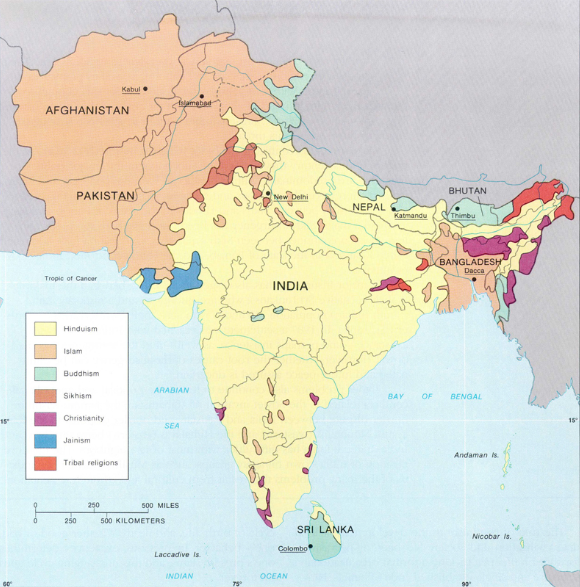
South Asia Religion Map Peta Penyebaran Agama Di Asia Tenggara
Geography Blog: Map - Religions Of South Asia

Geography Blog: Map - Religions of South Asia
Religions In Asia Map Geographic Distribution Of World Religions
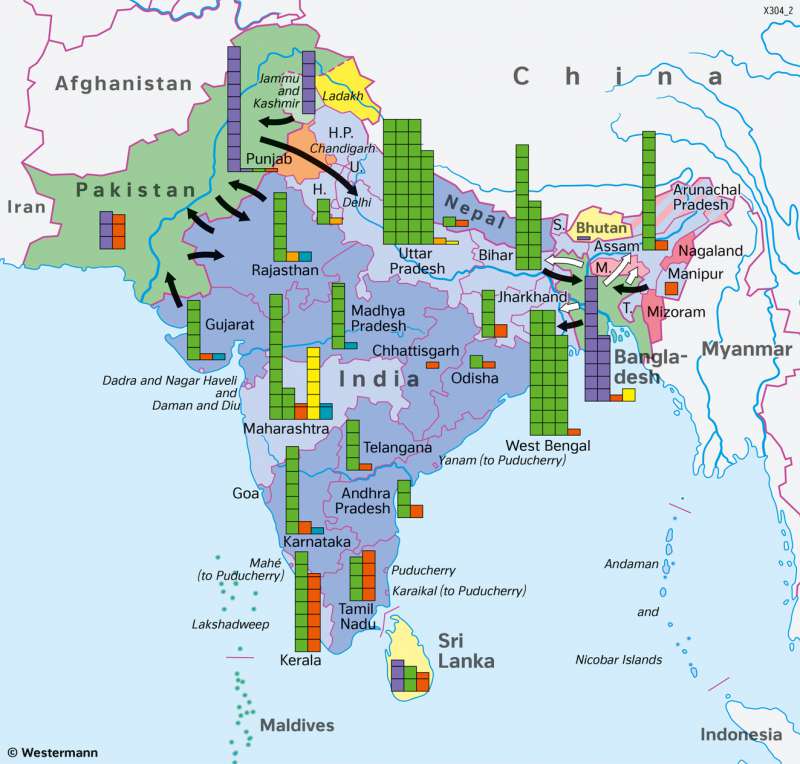
Religions In Asia Map Geographic Distribution Of World Religions
Southeast Asia Religion Map

Southeast Asia Religion Map
Southeast Asia Religion

Southeast Asia Religion
Southeast Asia Religion Map

Southeast Asia Religion Map
Religions Of Southeast Asia | PDF
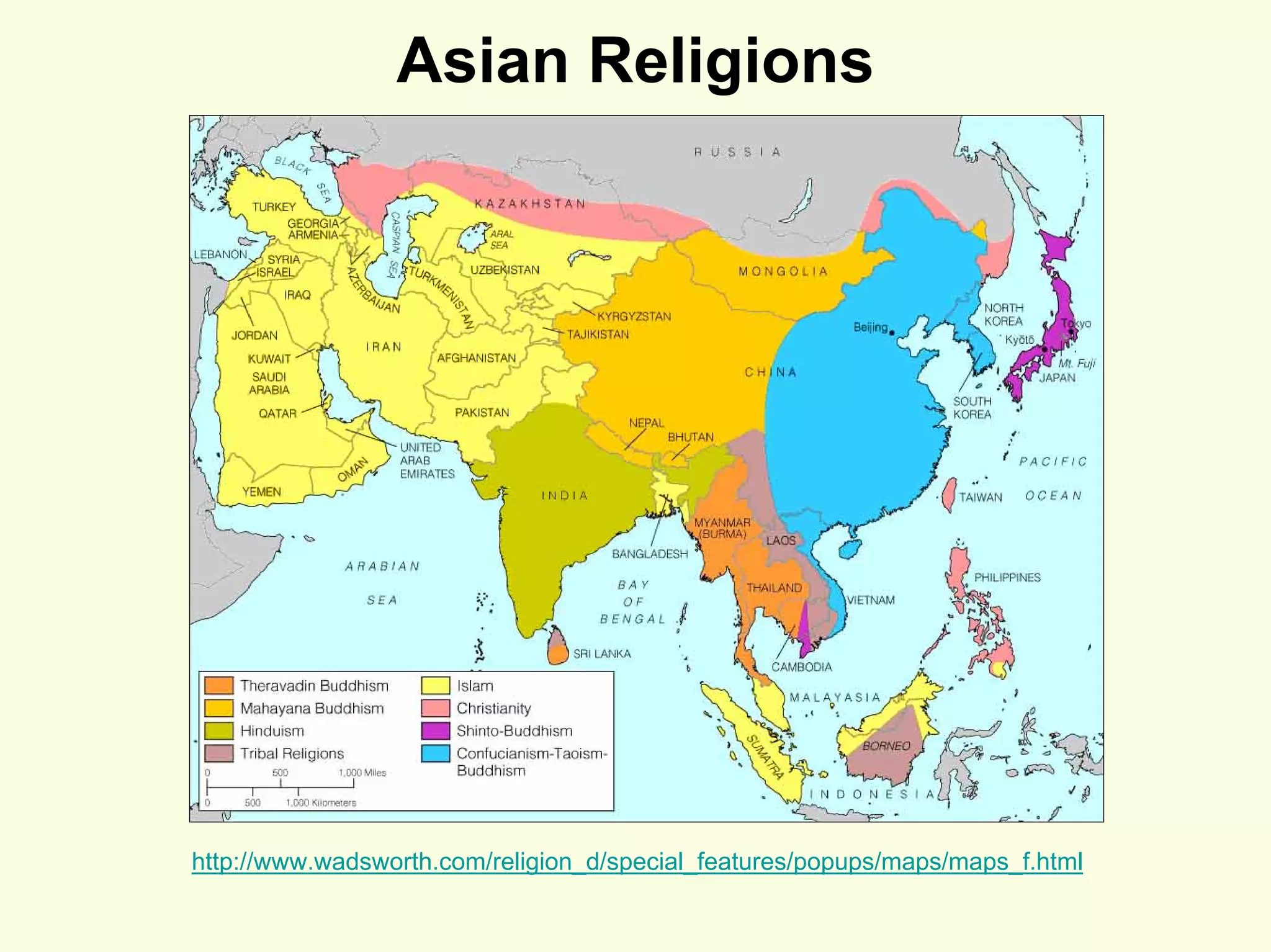
Religions of Southeast Asia | PDF
Religions Of Southeast Asia | PDF

Religions of Southeast Asia | PDF
South Asia Religion Map

South Asia Religion Map
Southeast Asia Religion Map : Scribble Maps
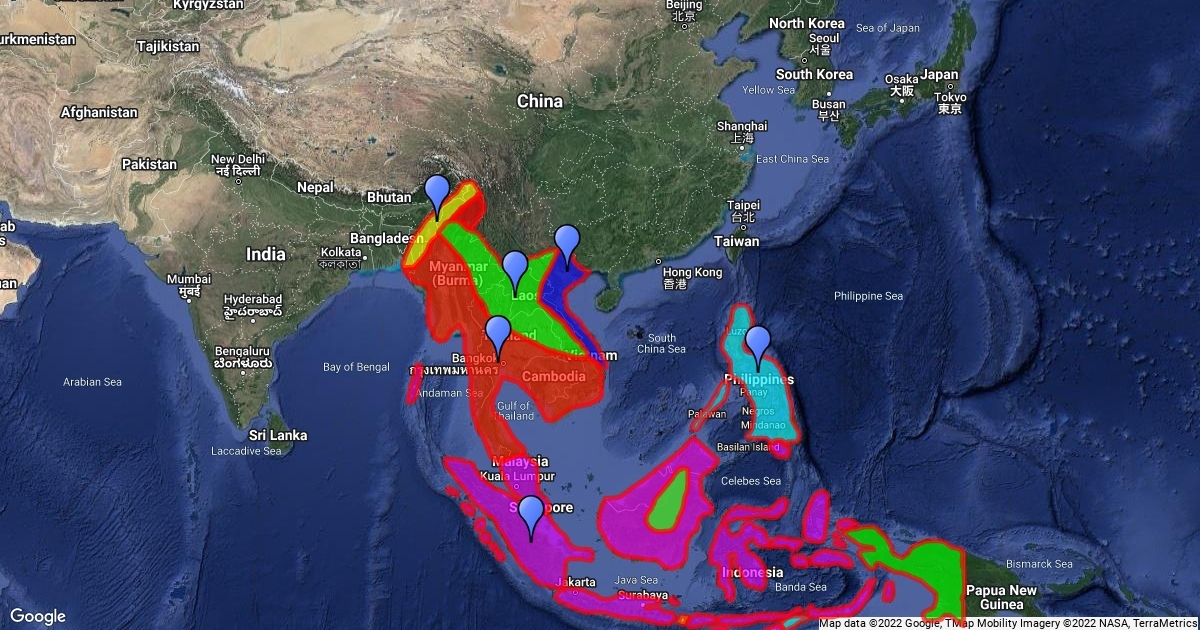
Southeast Asia Religion Map : Scribble Maps
Breakdown Of Religions Of East Asia

Breakdown Of Religions Of East Asia
Southeast Asia Religion Map
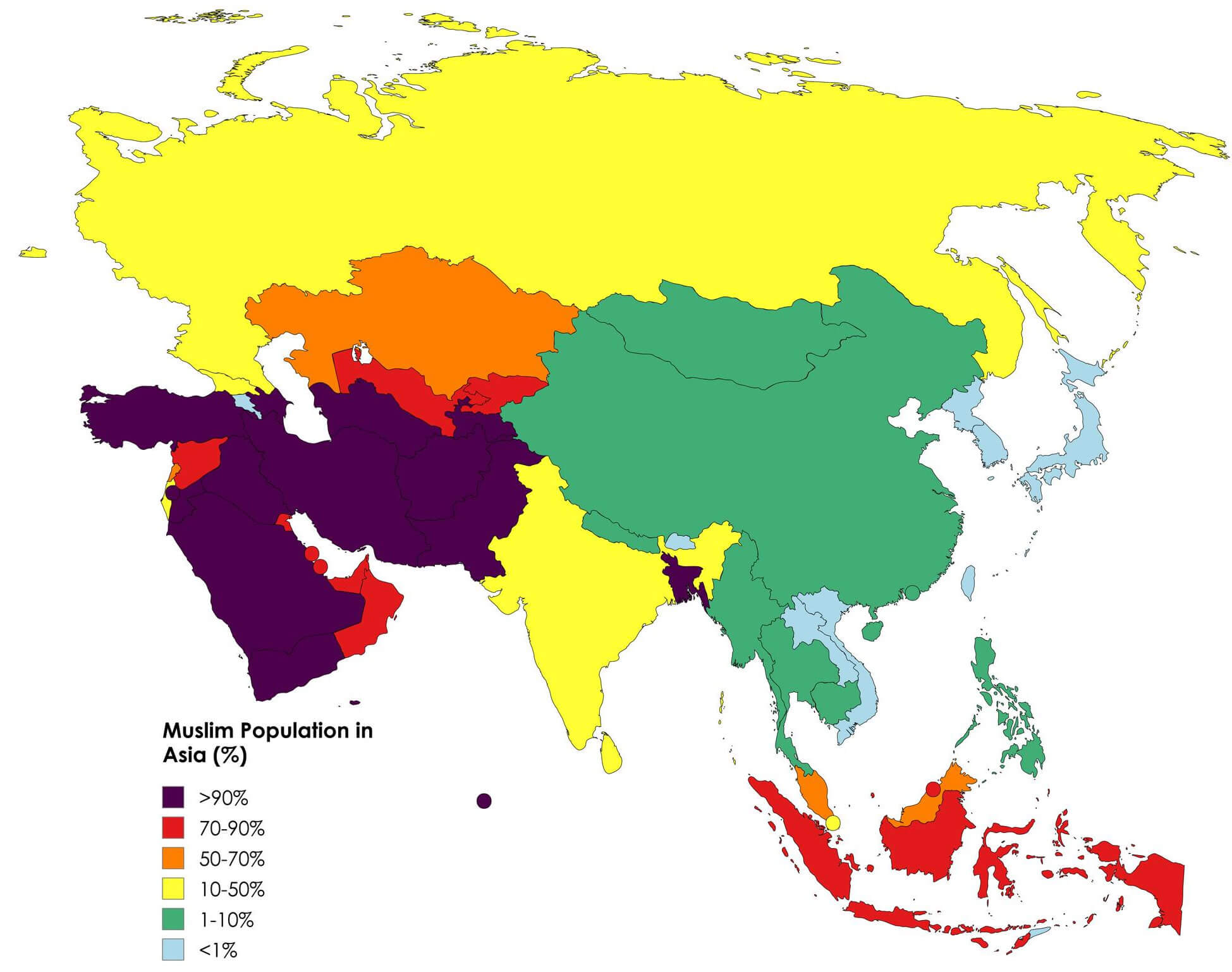
Southeast Asia Religion Map
Asia Religion Map - Guide Of The World
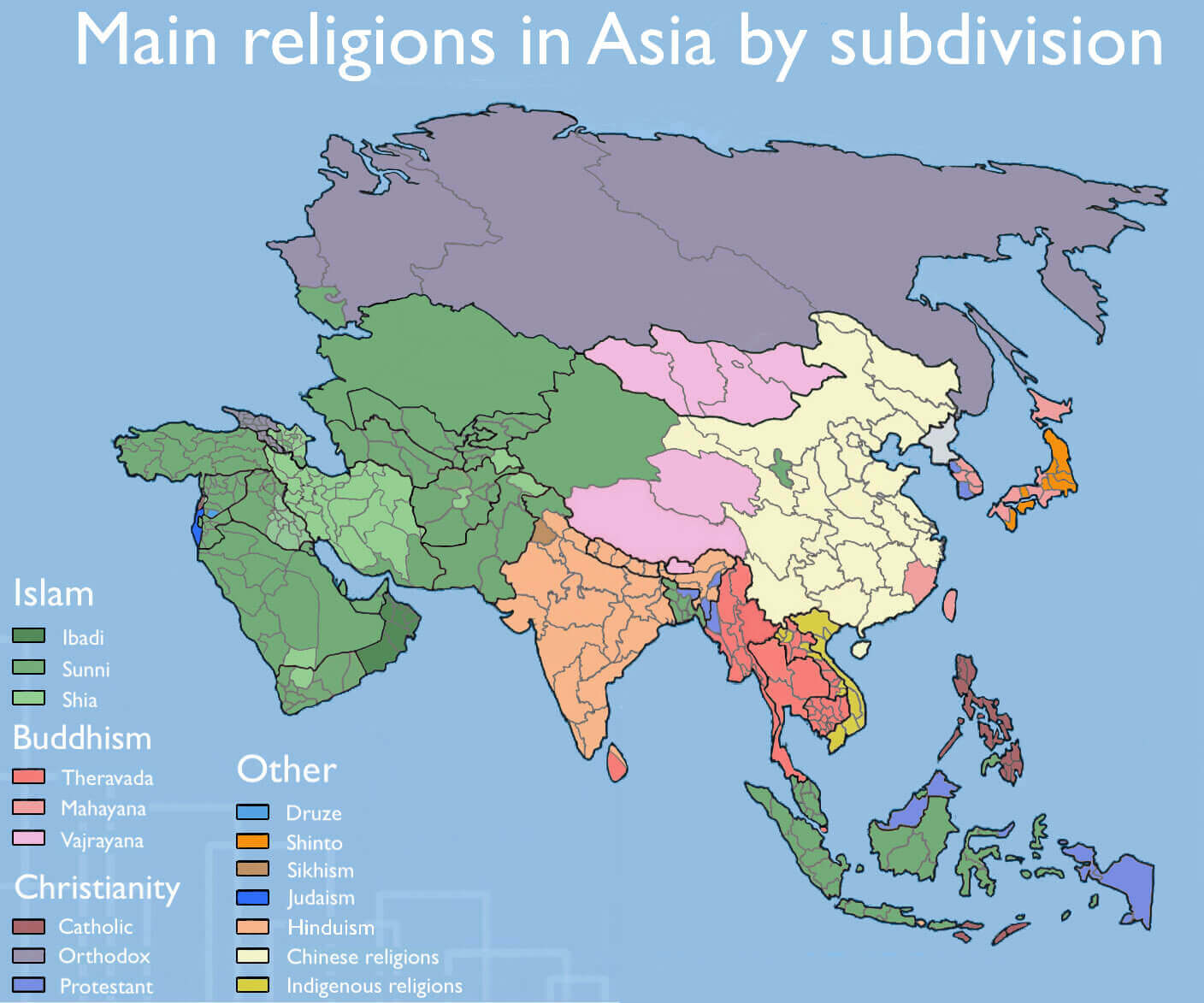
Asia Religion Map - Guide of the World
Anandaroop Roy | Islam In Southeast Asia
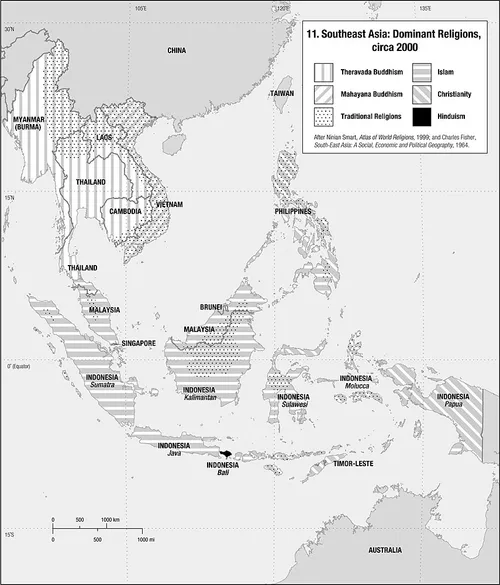
Anandaroop Roy | Islam in Southeast Asia
Map Largest Religion In Southeast Asia By Country 4 ASEAN
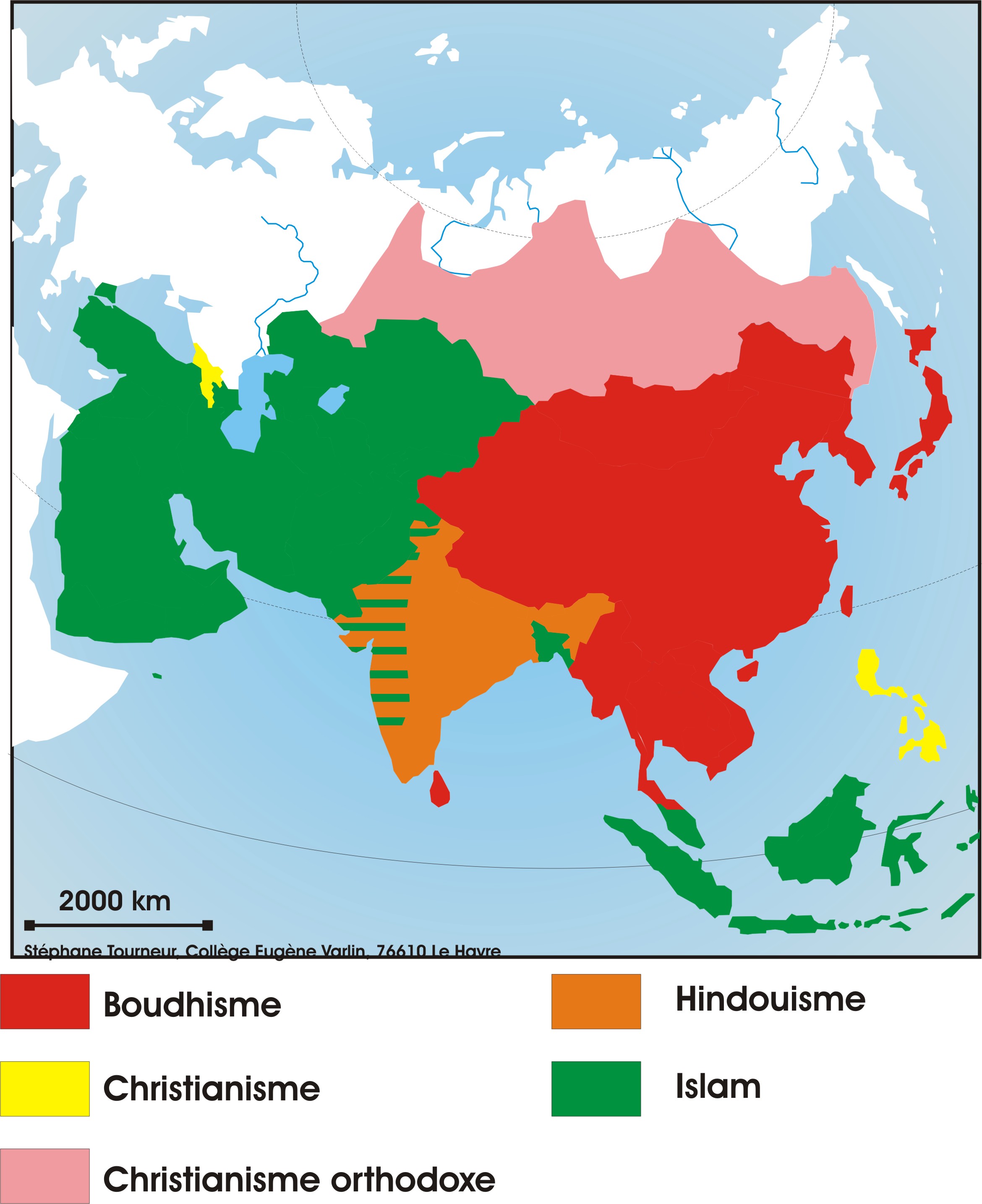
Map Largest Religion In Southeast Asia By Country 4 ASEAN
Breakdown Of Religions Of East Asia
Breakdown Of Religions Of East Asia
World Map South Asia Religion South And East Asia Religions

World Map South Asia Religion South And East Asia Religions
My Map Of The Religions Of The South East Asian Islands (Incl. PNG) : R

My Map of the Religions of the South East Asian Islands (Incl. PNG) : r ...
Map Largest Religion In Southeast Asia By Country 4 ASEAN
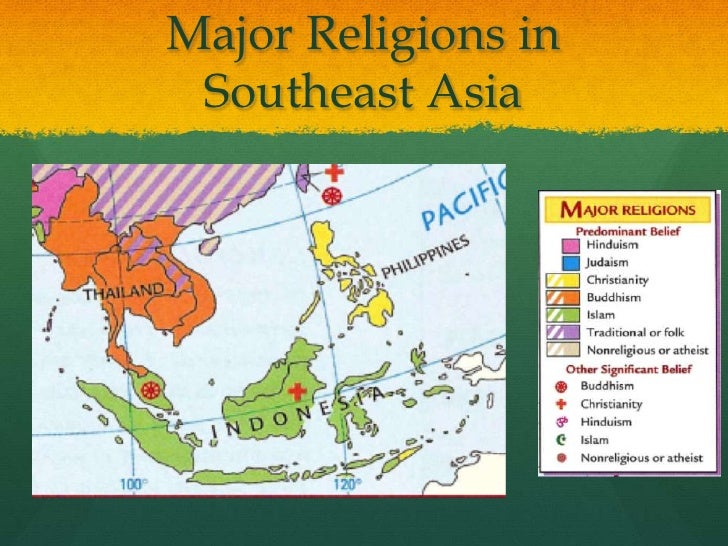
Map Largest Religion In Southeast Asia By Country 4 ASEAN
Southeast Asia Religion Diagram | Quizlet

Southeast Asia Religion Diagram | Quizlet
Map Largest Religion In Southeast Asia By Country 4 ASEAN

Map Largest Religion In Southeast Asia By Country 4 ASEAN
Religions Of Southeast Asia | PDF

Religions of Southeast Asia | PDF
Biggest Religion In Southeast Asia At Stephanie Wolfe Blog
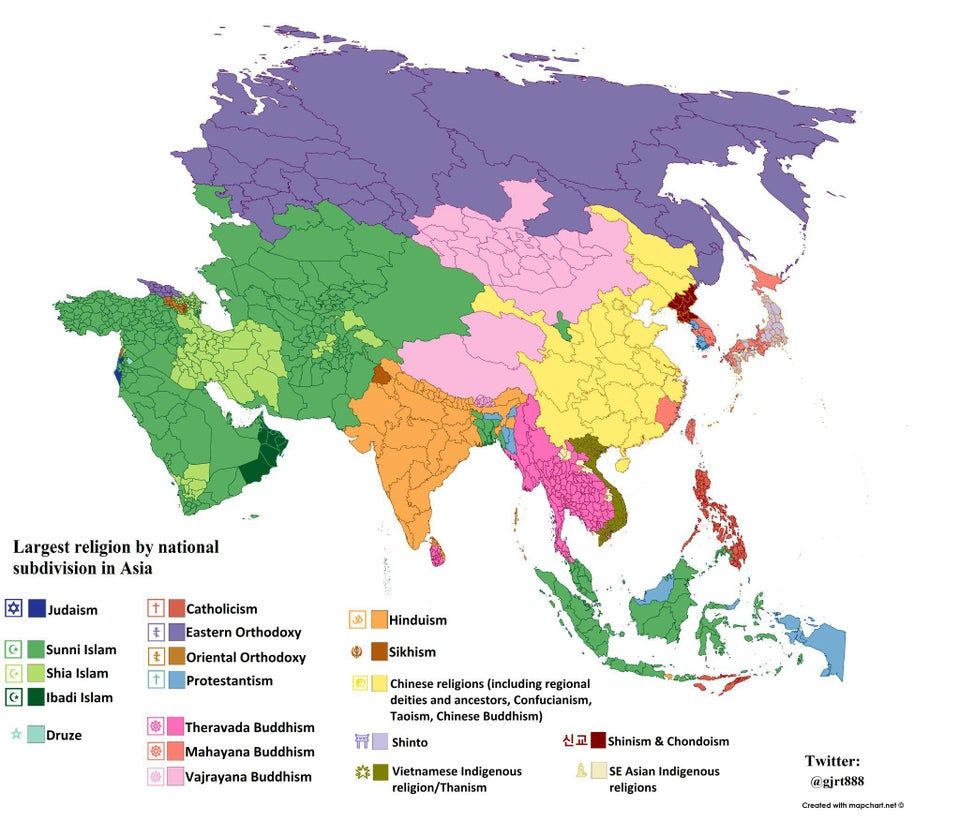
Biggest Religion In Southeast Asia at Stephanie Wolfe blog
South Asia Religion Map

South Asia Religion Map
Biggest Religion In Southeast Asia At Stephanie Wolfe Blog
Biggest Religion In Southeast Asia at Stephanie Wolfe blog
Southeast Asia Religion Map Joshua Project Ethnic People Groups Of

Southeast Asia Religion Map Joshua Project Ethnic People Groups Of
☸️ ☪️ ️ The Three Major Religions Of Southeast Asia - Voronoi
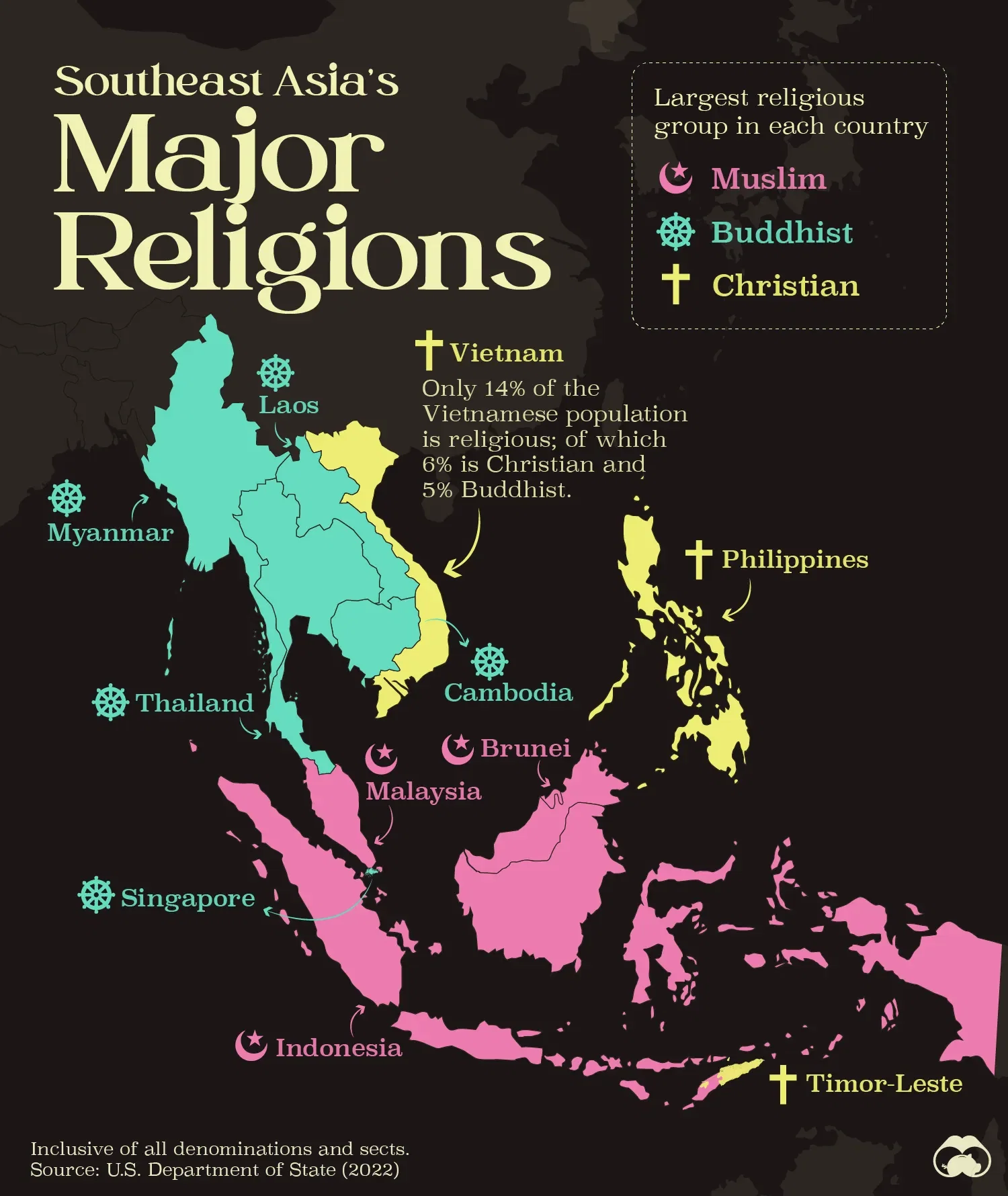
☸️ ☪️ ️ The Three Major Religions of Southeast Asia - Voronoi
Explore Asia Population Map
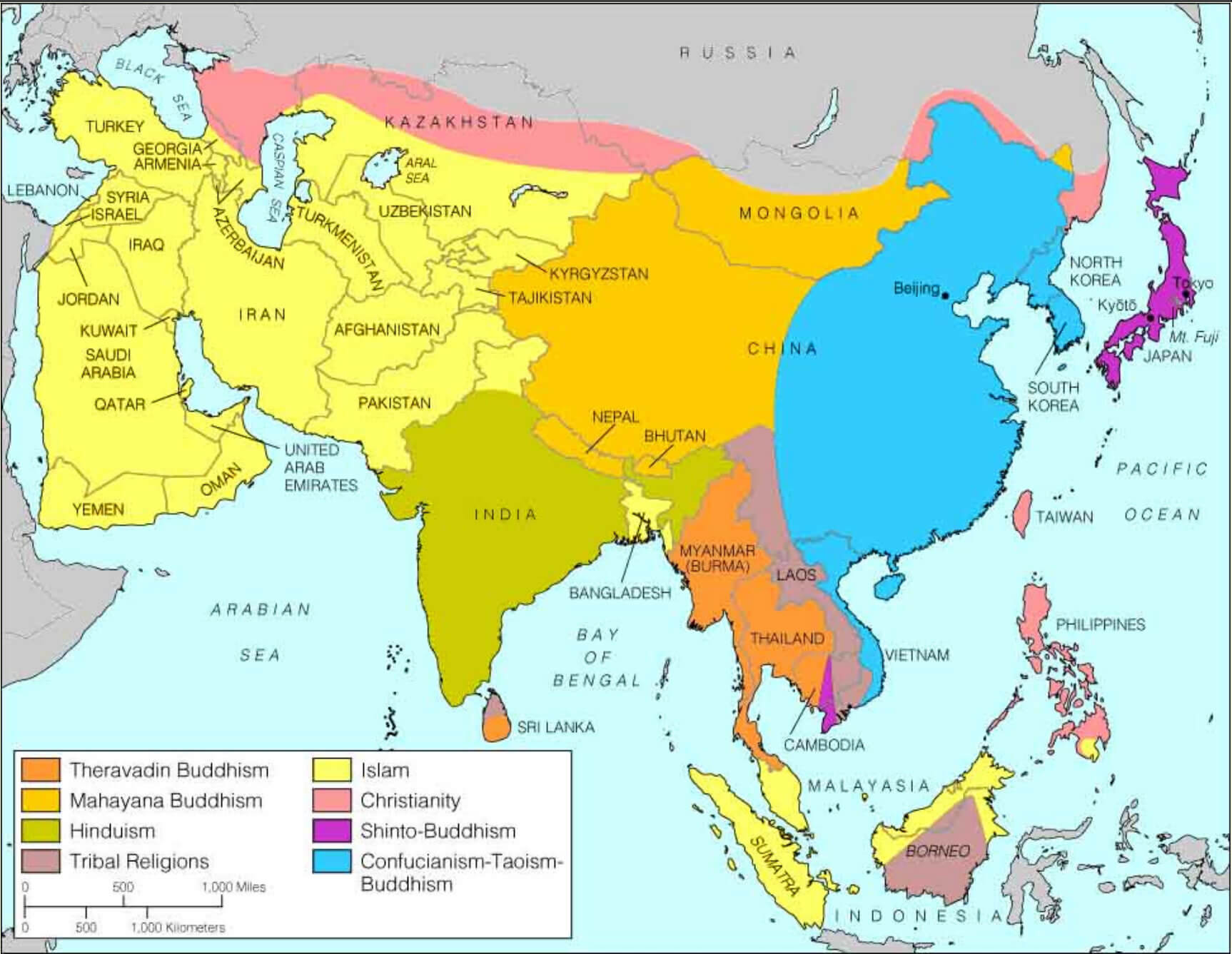
Explore Asia Population Map
Southeast Asia Religion Map Joshua Project Ethnic People Groups Of
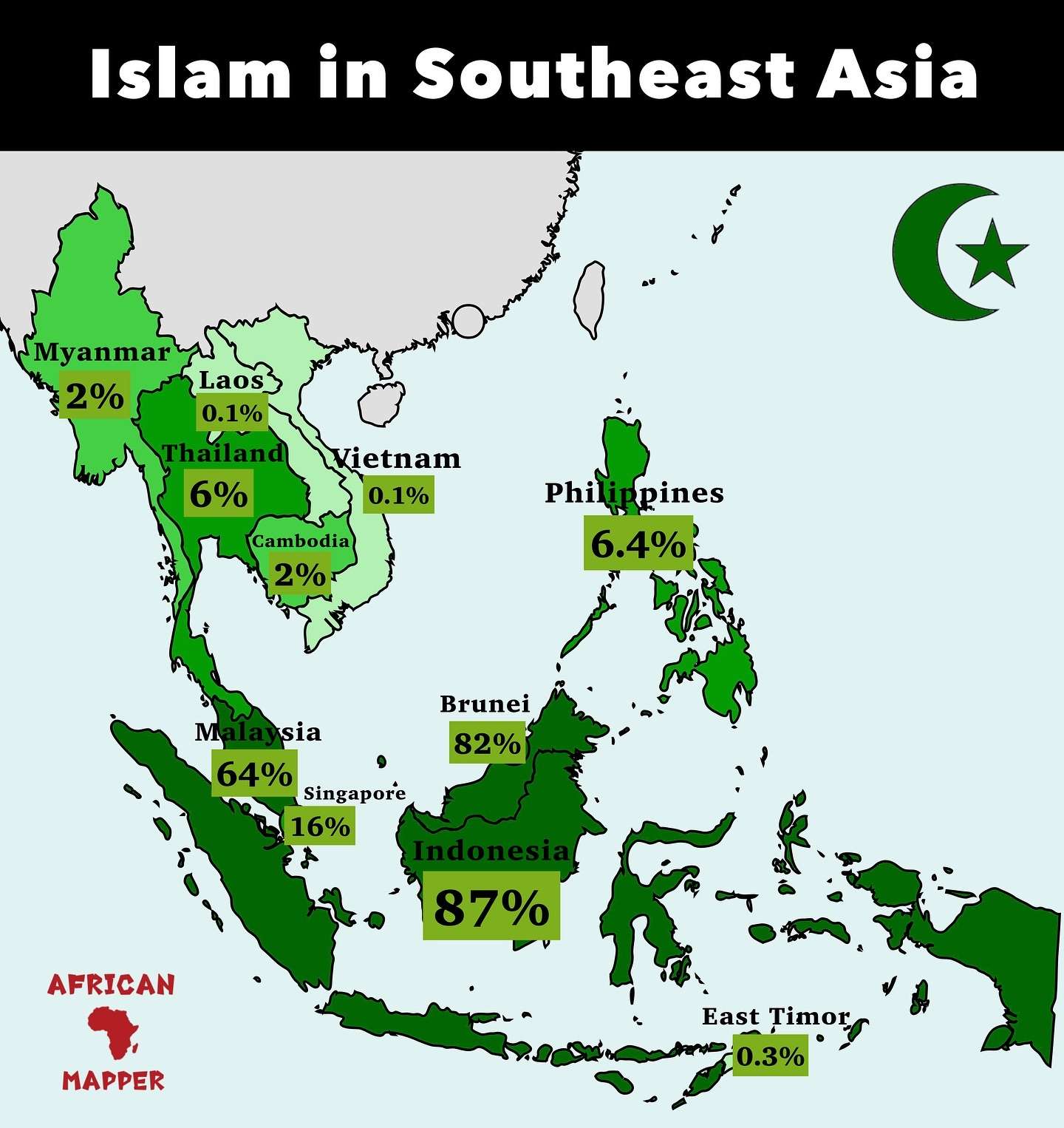
Southeast Asia Religion Map Joshua Project Ethnic People Groups Of
Map : Largest Religion In Southeast Asia By Country – Infographic.tv

Map : Largest religion in Southeast Asia by country – Infographic.tv ...