Volcanic Fury and Splendor: A Comprehensive Guide to South American Eruptions
This guide explores the dynamic world of South American volcanic eruptions, focusing on the powerful forces that shape the continent's landscapes and the cultures that live in their shadows. Readers will learn about the geological origins of these volcanoes, notable historical eruptions like those of Villarrica, the monitoring systems in place, and the profound impact on local communities and the environment. From the Andes to Patagonia, this article provides a detailed overview of one of Earth's most dramatic natural phenomena.
Geological Foundations: The Ring of Fire's Southern Reach
South America's volcanic activity is a direct consequence of plate tectonics. The Nazca Plate, a dense oceanic plate, subducts beneath the South American Plate along the Pacific coast. As it descends into the mantle, it melts, generating magma that rises through the crust. This process creates the Andes Volcanic Belt, a part of the Pacific Ring of Fire. The belt is home to over 200 active volcanoes, making it one of the most seismically and volcanically restless regions on Earth. The subduction zone is not uniform; variations in plate angle and crust thickness produce different types of eruptions, from gentle lava flows to cataclysmic explosions.
The Iconic Villarrica: A Case Study in Persistent Activity
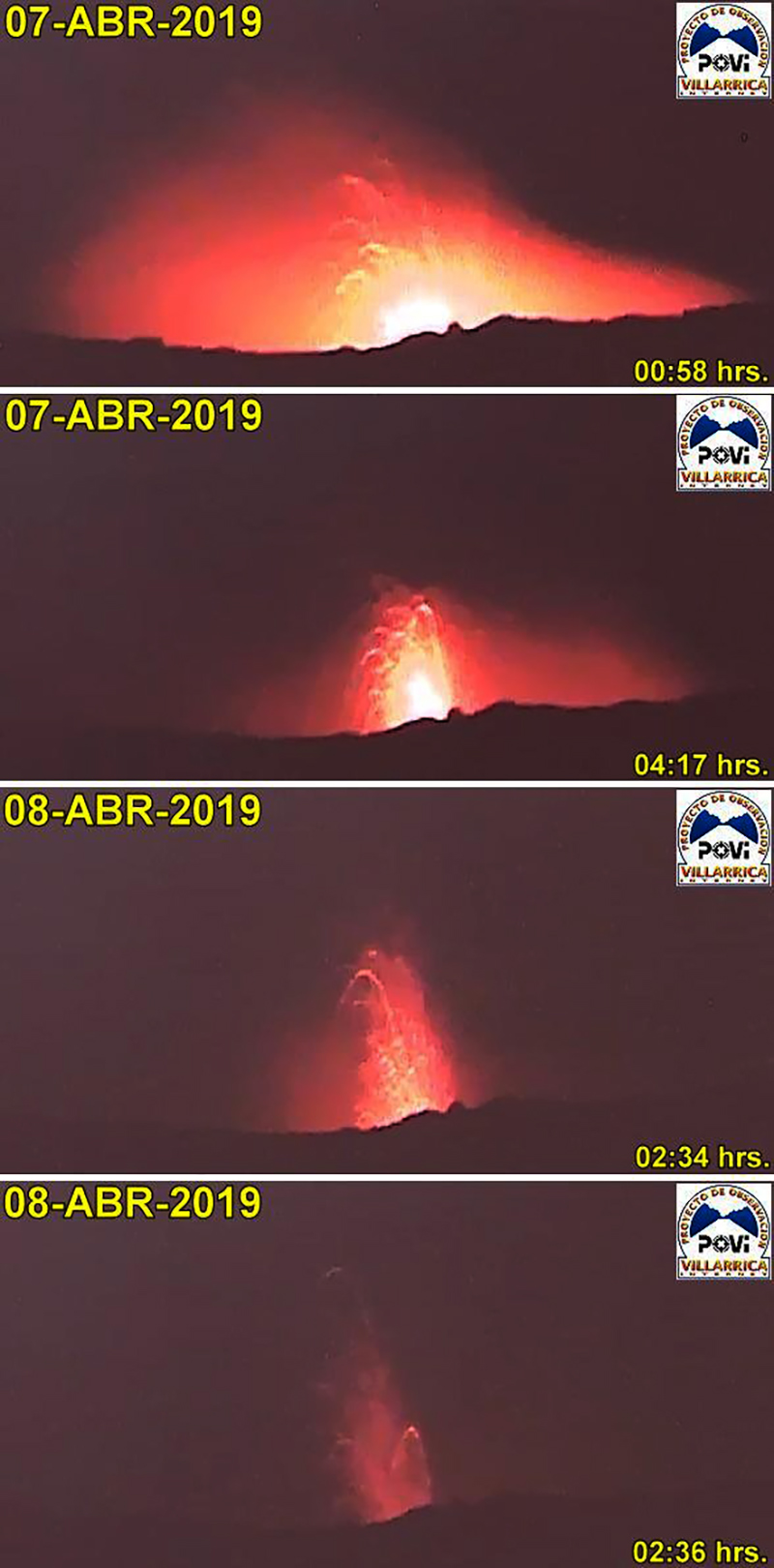
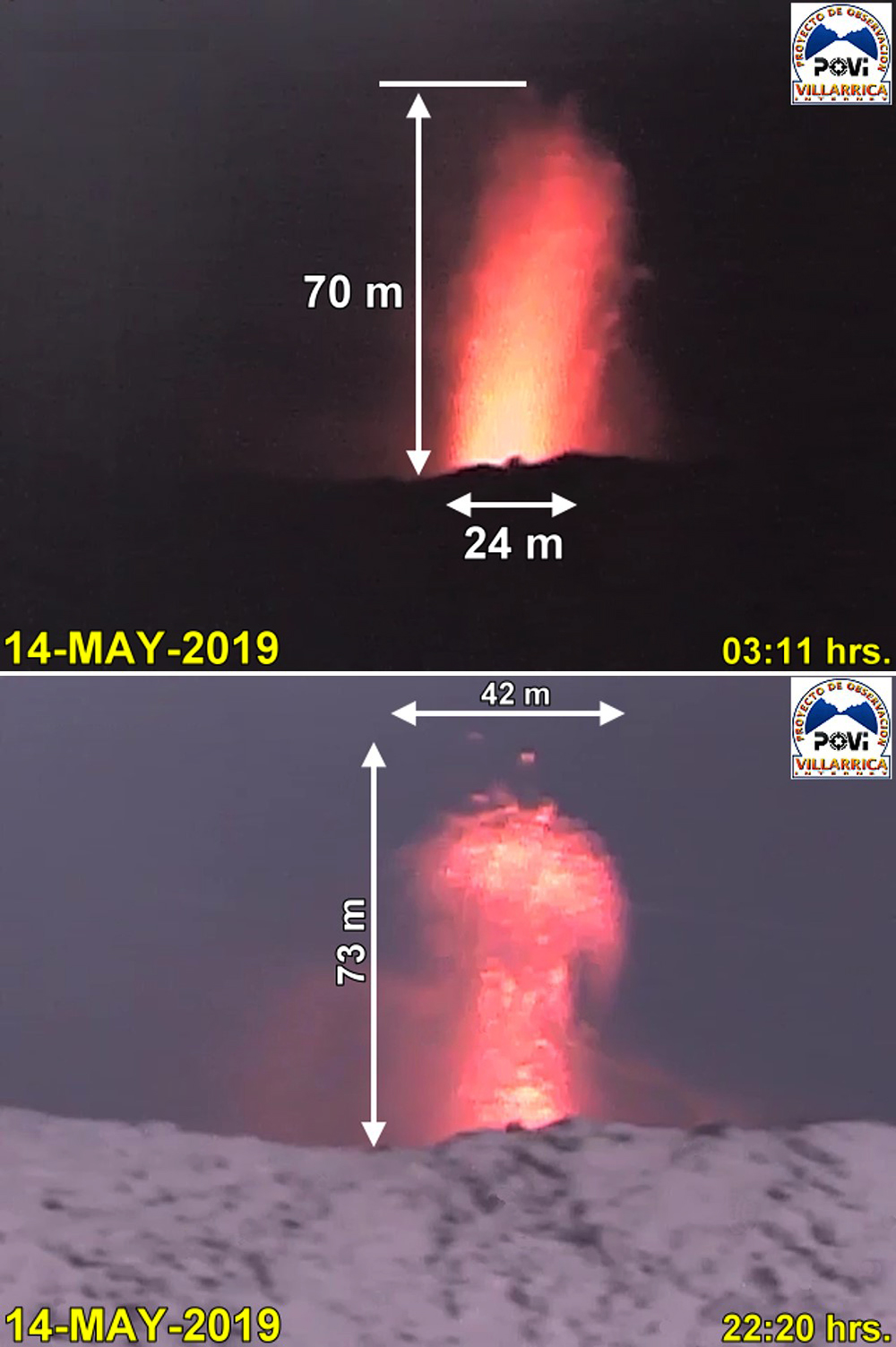
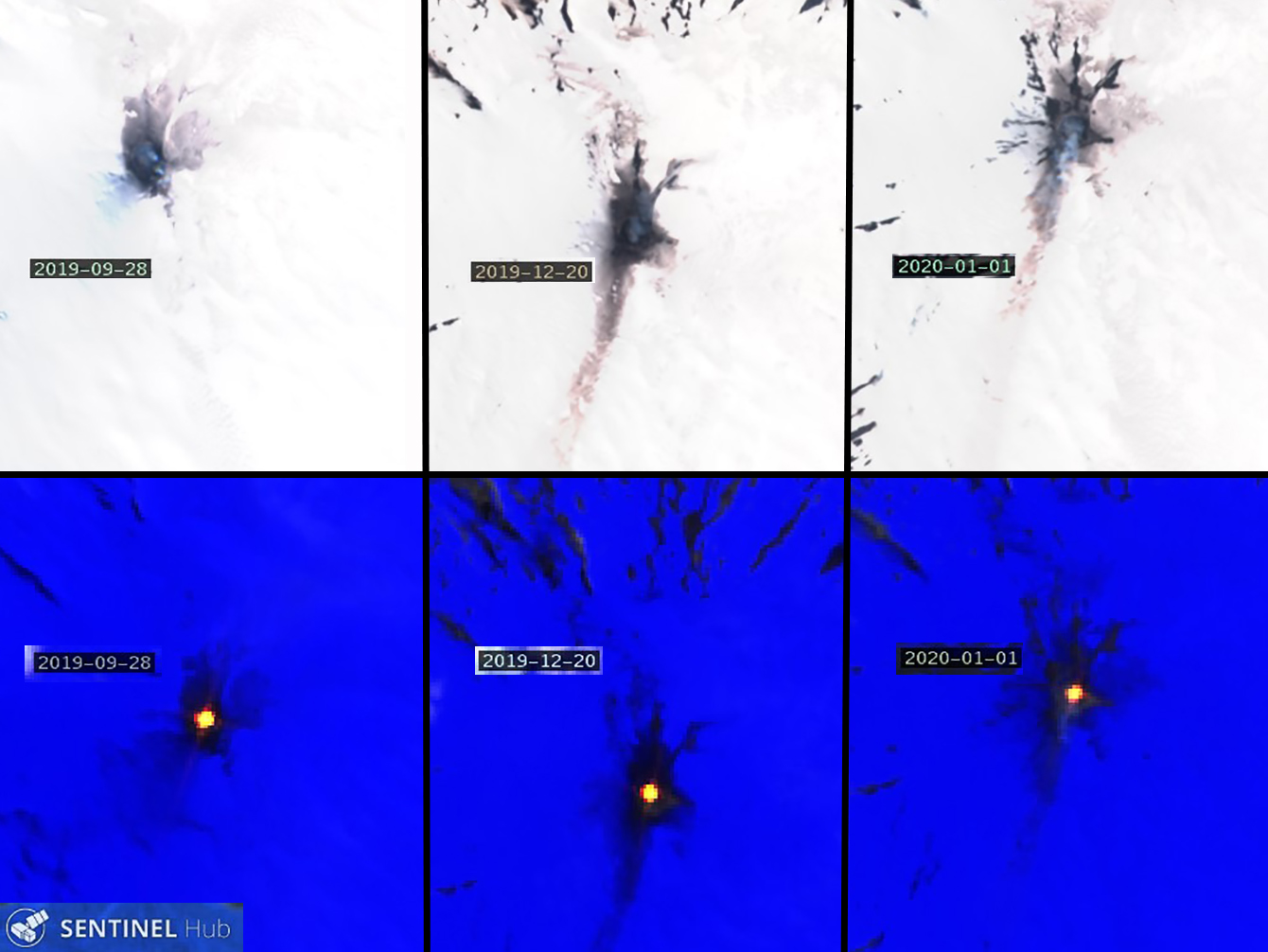
Among the most famous of South America's volcanoes is Villarrica, located in the Chilean Lake District. This stratovolcano is one of the continent's most active, known for its frequent Strombolian and Hawaiian-type eruptions. Its symmetrical cone, covered in snow and ice, has long fascinated scientists and travelers. The volcano's summit features a lava lake that occasionally sends glowing fountains into the night sky. A notable eruption in 2015 demonstrated its power, sending ash columns 10 kilometers high and triggering evacuations of nearby towns like Pucón. The volcano's activity is closely tied to its magma system, which is rich in gas, leading to periodic explosive events.

Major Eruption Types and Characteristics
South American volcanoes exhibit a wide range of eruption styles. Strombolian eruptions, like those common at Villarrica and Tungurahua in Ecuador, involve moderate, intermittent bursts of lava and gas. Vulcanian eruptions, more explosive, produce dense ash clouds and lava bombs, as seen at Ubinas in Peru. The most dangerous are Plinian eruptions, such as the 1985 Nevado del Ruiz catastrophe in Colombia, where a pyroclastic flow mixed with glacier melt to create devastating lahars that buried the town of Armero. Additionally, effusive eruptions from shield volcanoes, like those in the Galápagos Islands, produce broad, flowing lava fields. Each style presents unique hazards, from ashfall to toxic gases.
Hazards and Risk Mitigation
The primary hazards from these eruptions include pyroclastic flows, lahars, ashfall, and lava flows. Pyroclastic flows are fast-moving currents of hot gas and rock that can incinerate everything in their path. Lahars—volcanic mudflows—are particularly deadly because they can travel far down river valleys long after an eruption ends. Ashfall can collapse roofs, disrupt air travel, and contaminate water supplies. To mitigate these risks, countries like Chile, Ecuador, and Peru have established volcanic observatories and early warning systems. For example, the Southern Andes Volcano Observatory (OVDAS) in Chile monitors seismic activity, gas emissions, and ground deformation to provide timely alerts. Public education campaigns and evacuation drills are also crucial, especially for communities living in high-risk zones.
Impact on Local Communities and Culture
Volcanoes are both a source of fear and reverence in South American cultures. Indigenous communities often view them as sacred entities, such as the Apu spirits in the Andes. Volcanic soil is incredibly fertile, supporting agriculture—particularly vineyards in Argentina and coffee plantations in Colombia. However, eruptions can devastate livelihoods. The 2011 eruption of the Puyehue-Cordón Caulle in Chile covered vast areas in ash, killing livestock and forcing the closure of the nearby Cardenal Samoré pass. Tourism around active volcanoes like Villarrica provides economic benefits but also risk. Residents balance tradition with modern science, often relying on local knowledge and official protocols to decide when to evacuate.
Scientific Monitoring and Research
Modern volcanology in South America leverages cutting-edge technology. Sensors measure seismic tremors, thermal cameras detect heat anomalies, and satellite-based InSAR tracks ground deformation. Gas monitoring stations analyze sulfur dioxide and carbon dioxide levels to predict eruptions. The Global Volcanism Program at the Smithsonian Institution collaborates with regional observatories to catalog eruptions and assess hazards. Citizen science also plays a role, with local volunteers reporting changes in fumarole activity or water temperature. This data is compiled into bulletins and hazard maps, which are shared with governments and emergency management agencies to protect populations.
Environmental and Atmospheric Effects
Large eruptions can have global consequences. The 1991 eruption of Mount Hudson in Chile injected vast amounts of sulfur dioxide into the stratosphere, cooling the Southern Hemisphere for a year. Ash clouds can disrupt air travel across the continent, as seen during the 2011 Cordón Caulle event, which grounded flights in Argentina, Uruguay, and Brazil. On a local scale, eruptions can alter river flows, create new landforms, and destroy unique ecosystems. However, biodiversity often rebounds over time, with pioneer species colonizing barren lava fields. The long-term effects on climate and weather patterns remain a focus of ongoing research.
Conclusion
South America's volcanoes are a testament to the raw power of tectonic forces. From the lava-lit nights of Villarrica to the catastrophic lahar of Nevado del Ruiz, these eruptions shape both the land and the lives of millions. While the hazards are undeniable, improved monitoring, risk education, and cultural resilience allow communities to coexist with these fiery giants. Understanding their behavior is not merely a scientific pursuit but a necessity for safeguarding lives and preserving a way of life in one of the most volcanically active regions on Earth. As technology advances, the ability to predict and prepare for the next eruption will only grow, ensuring that the human spirit remains unbroken by the earth's fury.
Global Volcanism Program | Report On Villarrica (Chile) — October 2023

Global Volcanism Program | Report on Villarrica (Chile) — October 2023
South America Volcano Lightning Hi-res Stock Photography And Images - Alamy
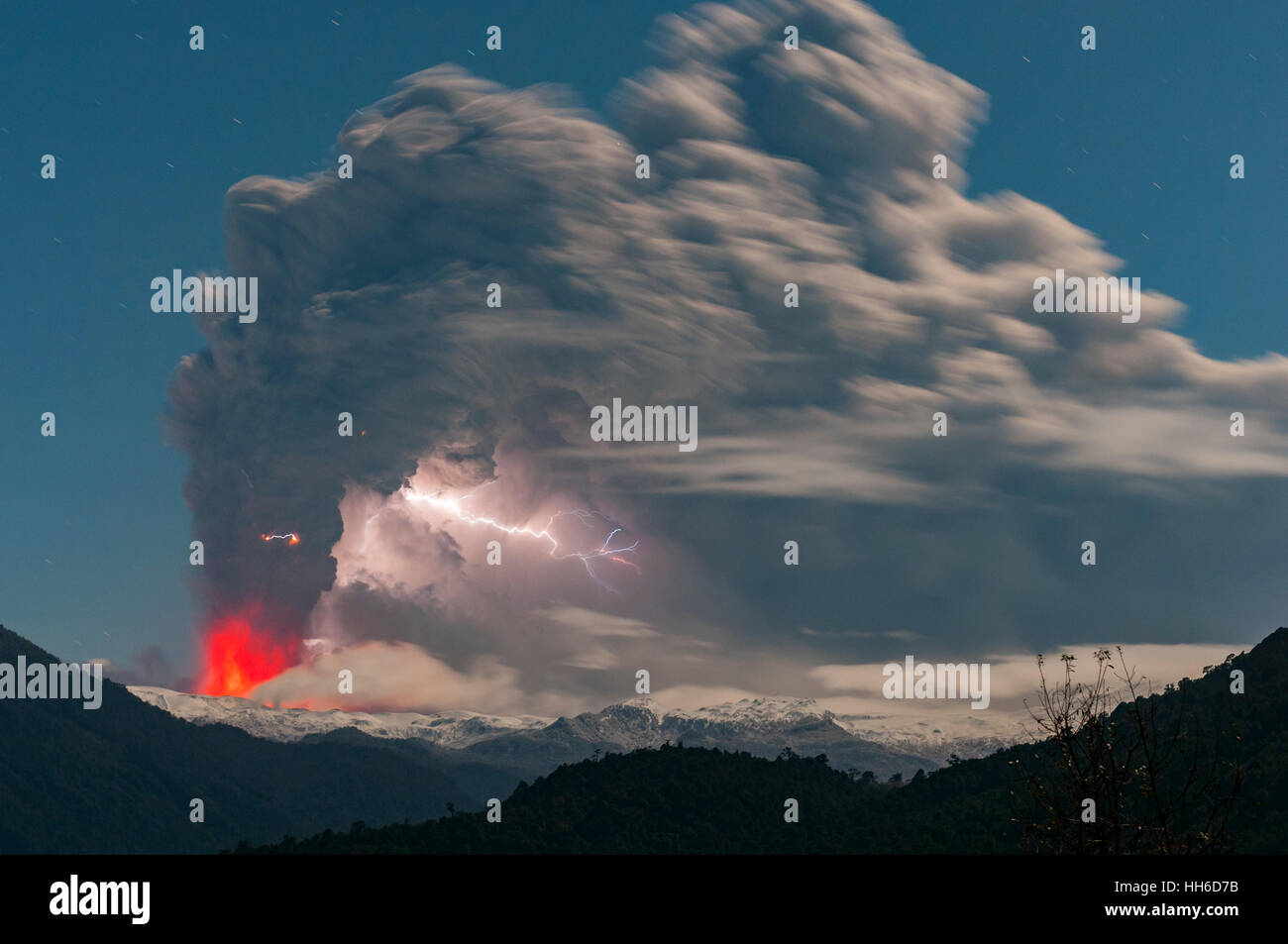
South america volcano lightning hi-res stock photography and images - Alamy
(PDF) The 3 March 2015 Eruption Of Villarrica Volcano, Southern Andes

(PDF) The 3 March 2015 eruption of Villarrica volcano, Southern Andes ...
Global Volcanism Program | Villarrica
Global Volcanism Program | Villarrica
Global Volcanism Program | Villarrica
Global Volcanism Program | Villarrica
Aerial View Of Villarica Volcano And Beginning Of Volcanic Eruption In

Aerial View of Villarica Volcano and Beginning of Volcanic Eruption in ...
Massive 'lake' Discovered Under Volcano In South America
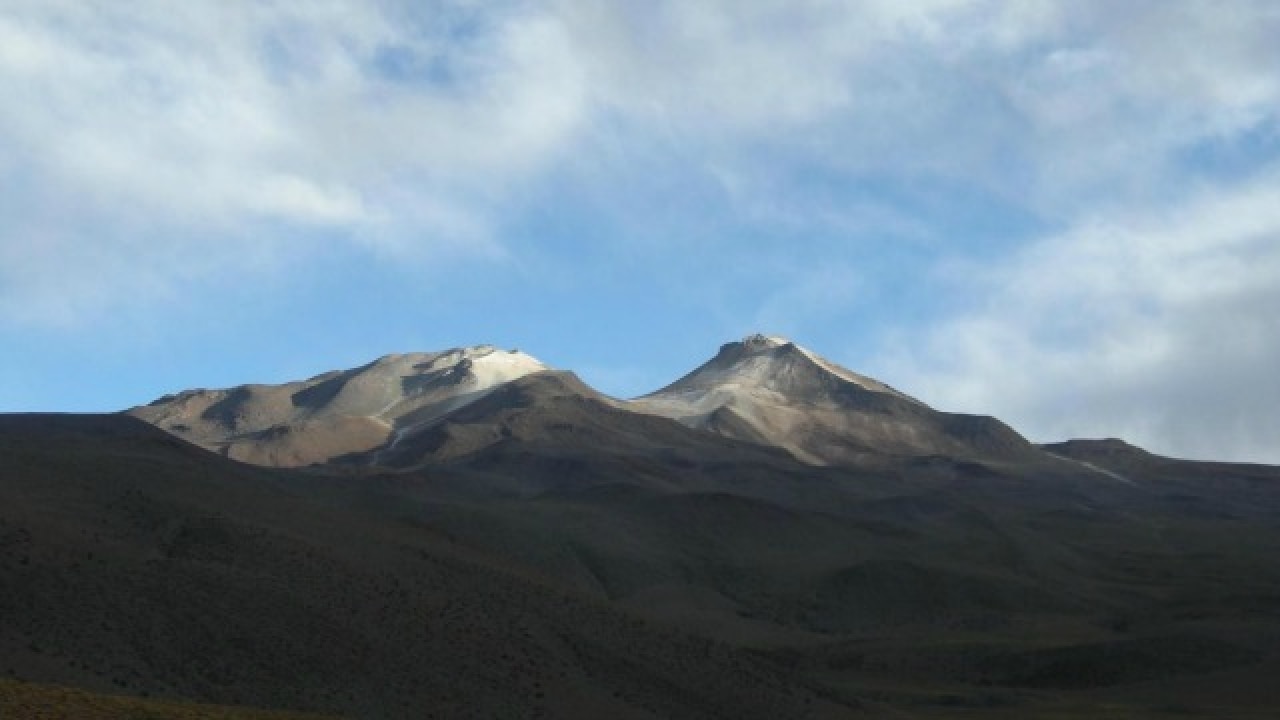
Massive 'lake' discovered under volcano in South America
Global Volcanism Program | Report On Villarrica (Chile) — October 2023
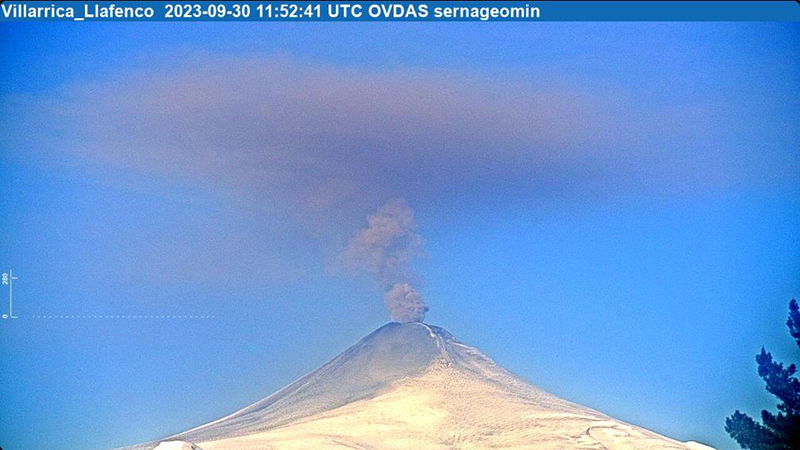
Global Volcanism Program | Report on Villarrica (Chile) — October 2023
The Complete List Of Active Volcanoes In South America - 33travels
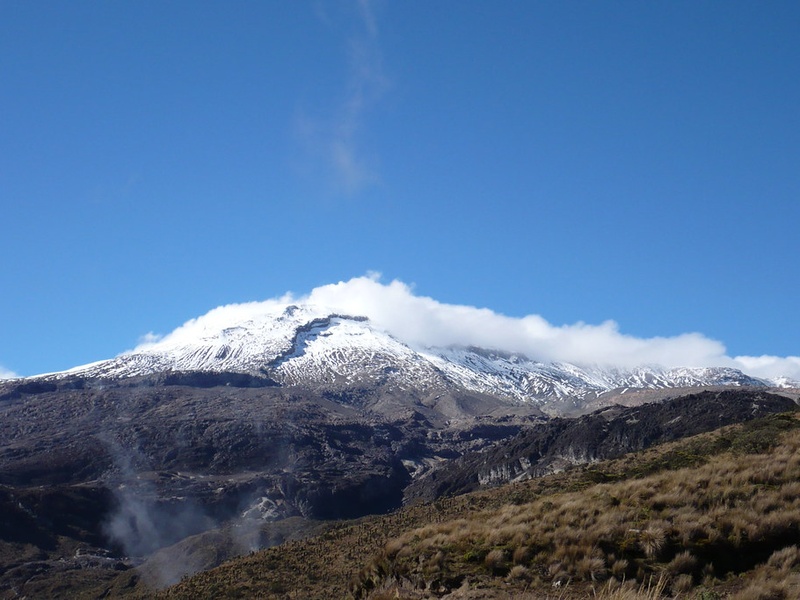
The Complete List of Active Volcanoes in South America - 33travels
Aerial View Of Villarica Volcano And Beginning Of Volcanic Eruption In

Aerial View of Villarica Volcano and Beginning of Volcanic Eruption in ...
South America Active Volcanoes

South America Active Volcanoes
Deadliest Volcano In Western Hemisphere Shows Signs Of Increased
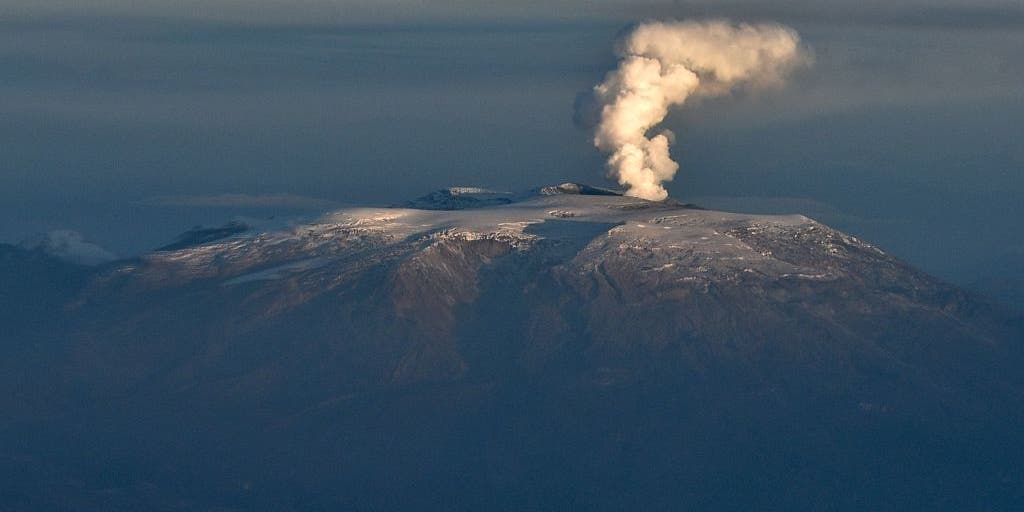
Deadliest volcano in Western Hemisphere shows signs of increased ...
Chile's Villarrica Volcano Eruption Requires Over 3,000 To Be Safely

Chile's Villarrica Volcano Eruption Requires Over 3,000 to be Safely ...
South America Active Volcanoes – South America To The World

South America Active Volcanoes – South America to the World
Global Volcanism Program | Villarrica
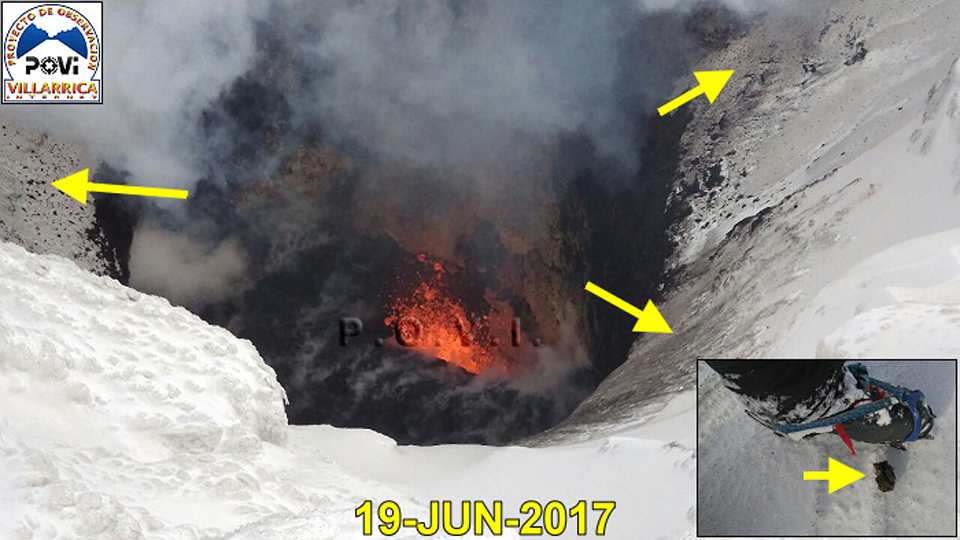
Global Volcanism Program | Villarrica
Global Volcanism Program | Report On Nevado Del Ruiz (Colombia
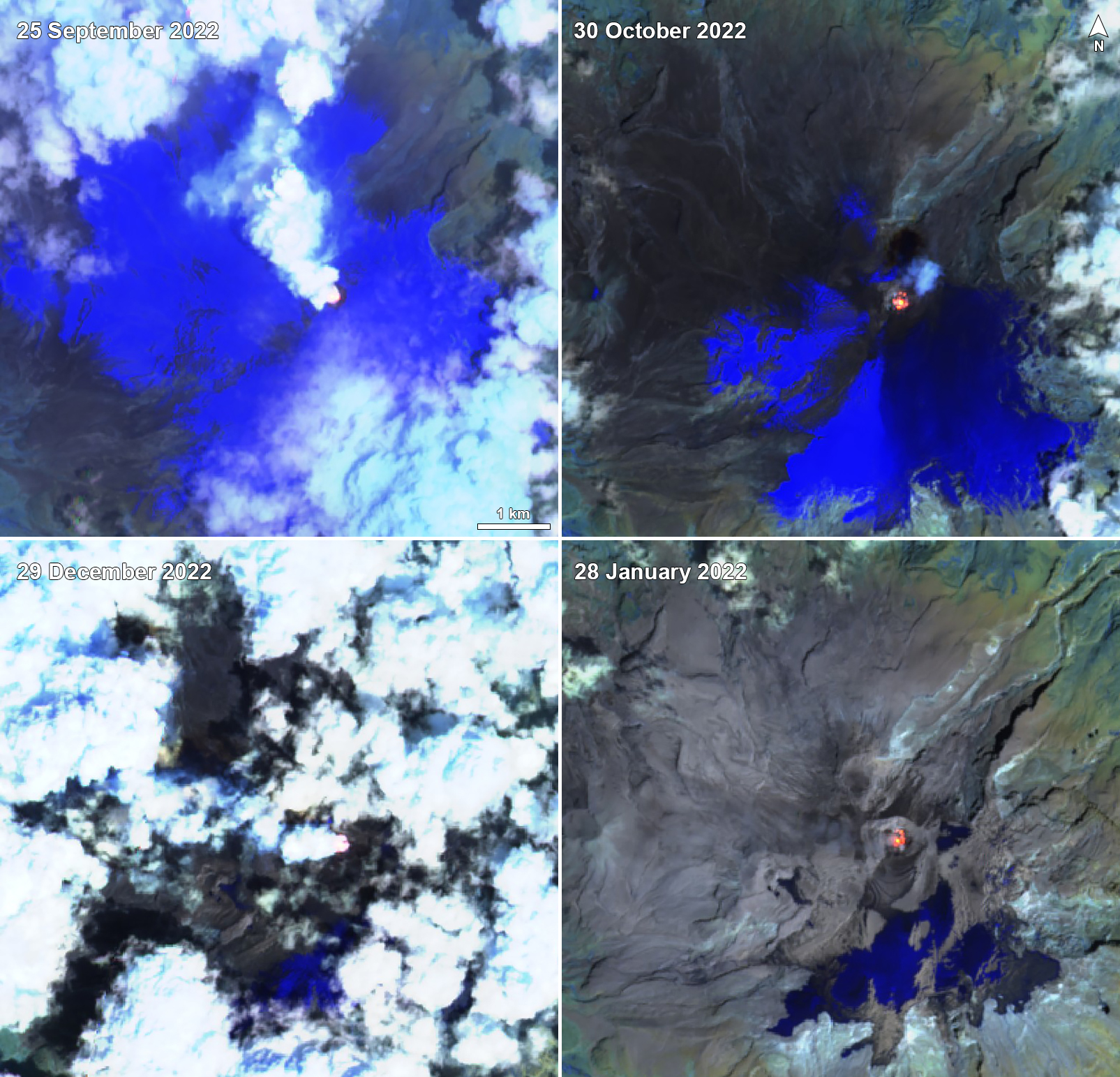
Global Volcanism Program | Report on Nevado del Ruiz (Colombia ...
Colombia: Volcano Eruption Predicted, Only Few Residents Evacuate | The
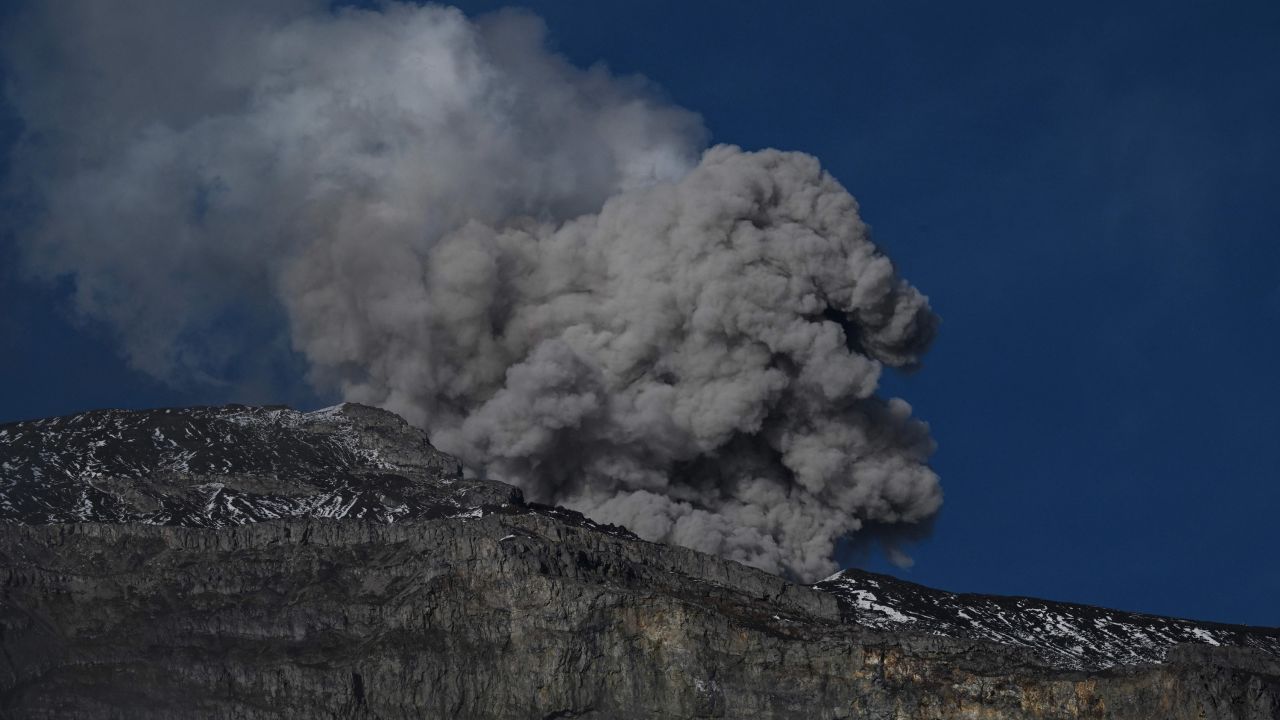
Colombia: Volcano Eruption Predicted, Only Few Residents Evacuate | The ...
Cotopaxi Volcano Eruption In Ecuador, South America Stock Photo - Alamy
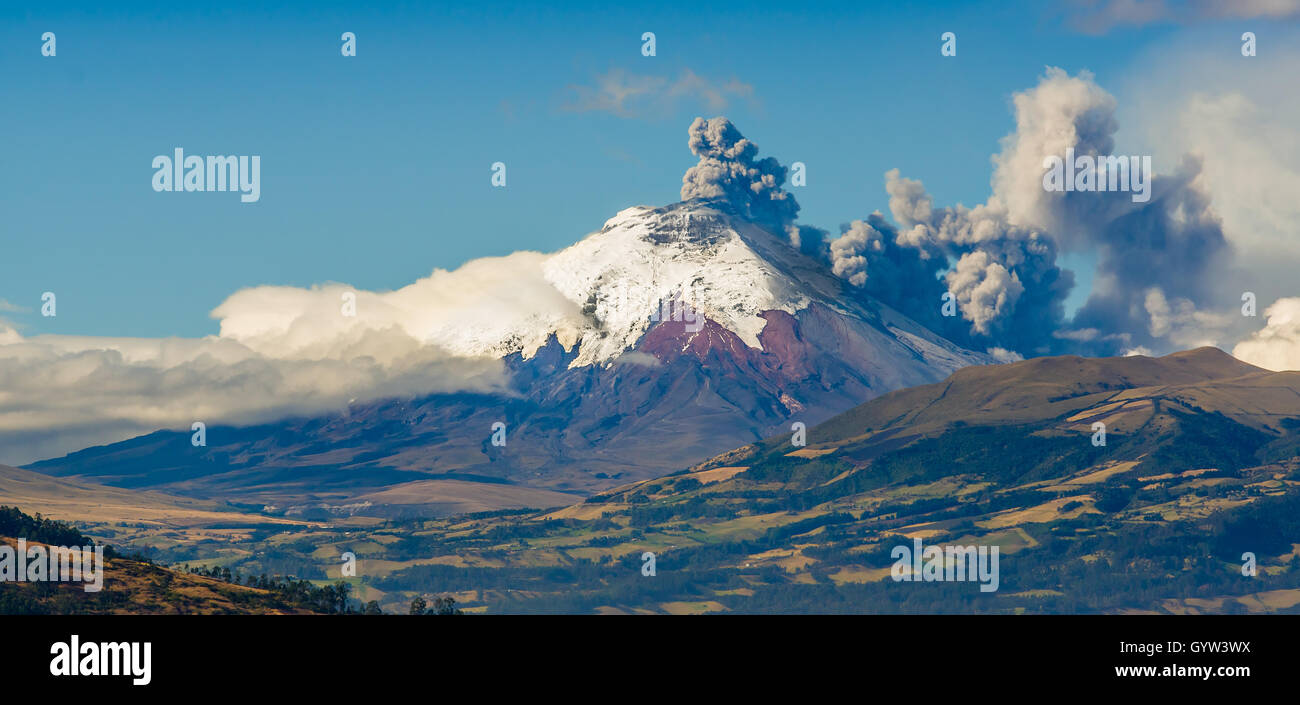
Cotopaxi volcano eruption in Ecuador, South America Stock Photo - Alamy
Villarrica Volcano Eruption: Southern Chile Sees Lava, Ash And
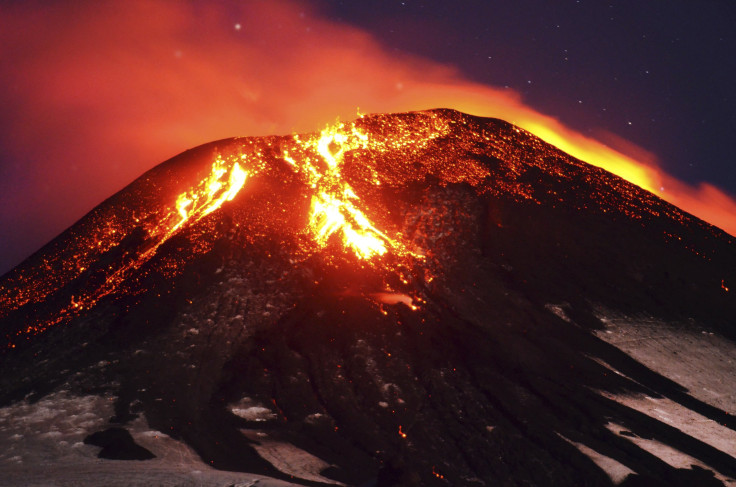
Villarrica Volcano Eruption: Southern Chile Sees Lava, Ash And ...
South America Volcano Showing Signs Of 'potential Collapse', Report
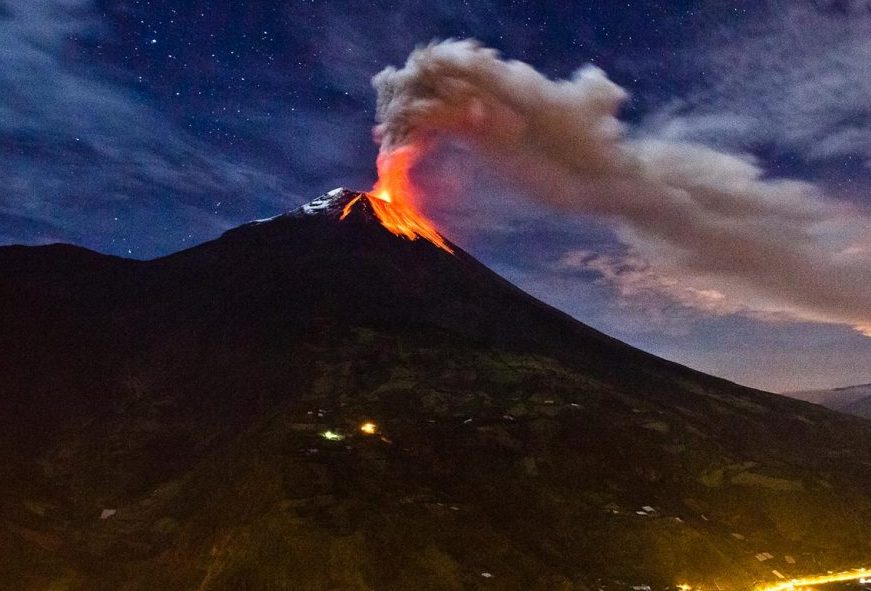
South America volcano showing signs of 'potential collapse', Report ...
Global Volcanism Program | Nevado Del Ruiz
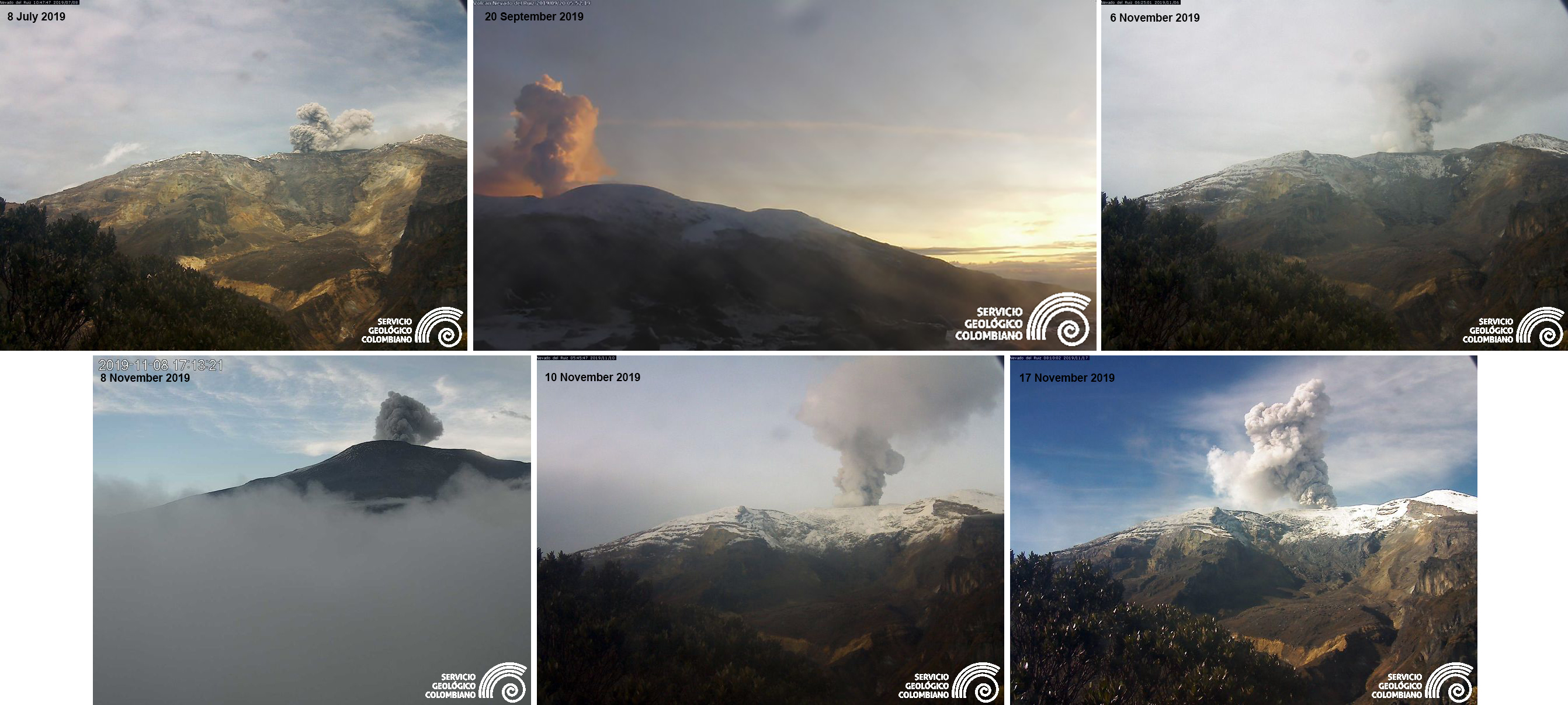
Global Volcanism Program | Nevado del Ruiz
Villarrica Volcano Eruption | Earth Blog

Villarrica Volcano Eruption | Earth Blog
Chile’s Villarica Volcano Erupts: These Images...

Chile’s Villarica volcano erupts: These images...
Global Volcanism Program | Villarrica
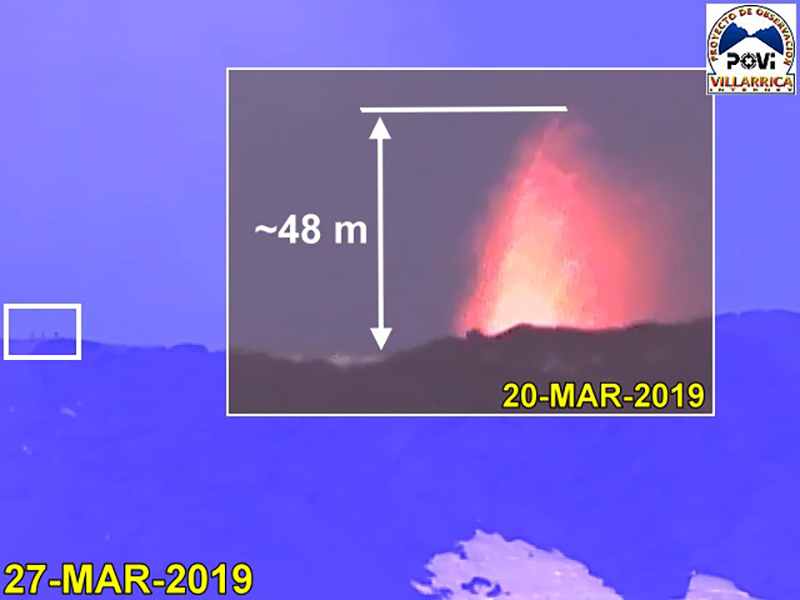
Global Volcanism Program | Villarrica
Global Volcanism Program | Report On Villarrica (Chile) — April 2023
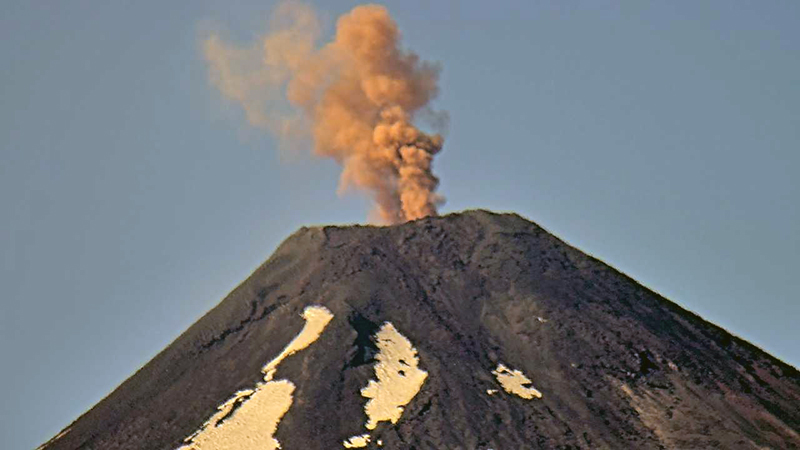
Global Volcanism Program | Report on Villarrica (Chile) — April 2023
Timelapse Of Villarrica Volcano As It Prepares For Powerful Eruption
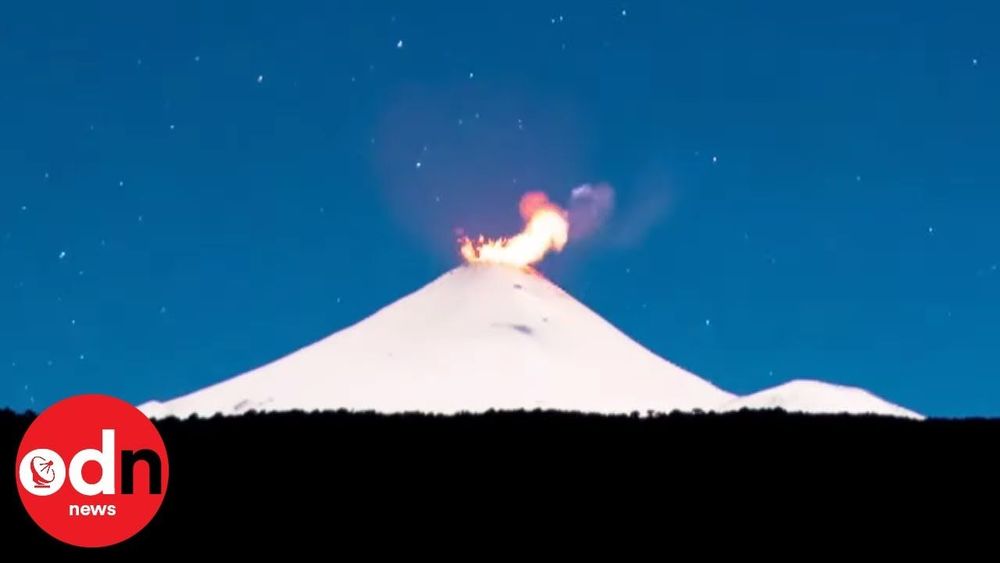
Timelapse of Villarrica Volcano as it Prepares for Powerful Eruption ...
Aerial View Of Villarica Volcano And Beginning Of Volcanic Eruption In

Aerial View of Villarica Volcano and Beginning of Volcanic Eruption in ...
Global Volcanism Program | Report On Villarrica (Chile) — April 2023
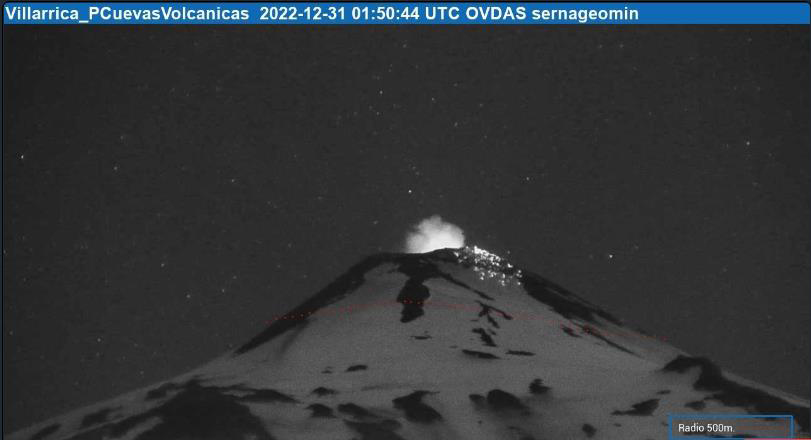
Global Volcanism Program | Report on Villarrica (Chile) — April 2023
Volcano Villarrica Near The Southern Tip Of South America Stock Photo
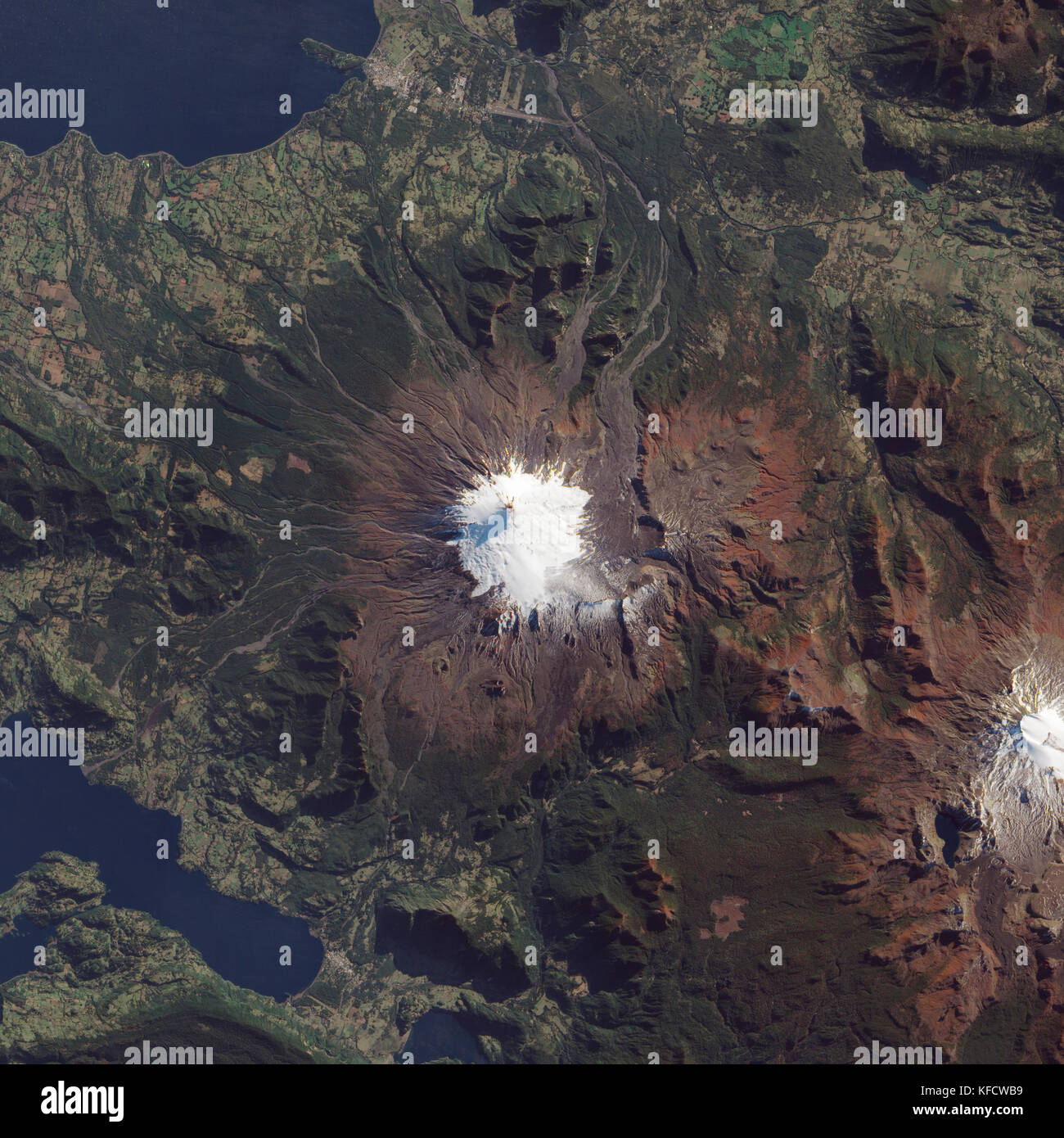
Volcano Villarrica near the southern tip of South America Stock Photo ...
Volcano Villarrica Erupts In Southern Chile, Villages Evacuated | South
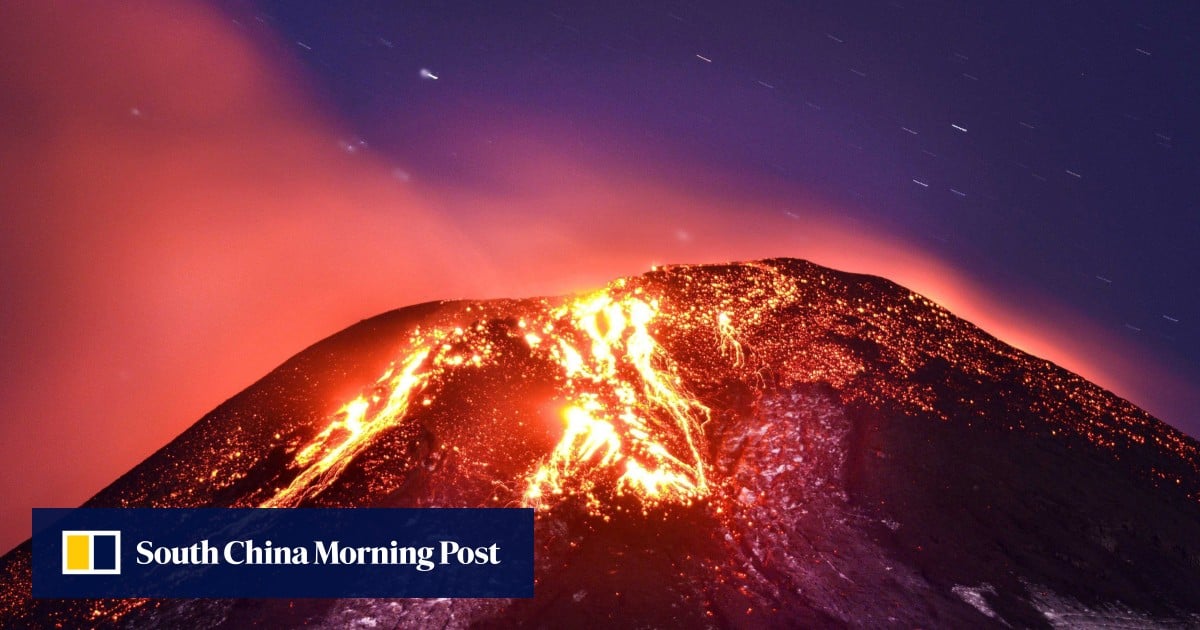
Volcano Villarrica erupts in southern Chile, villages evacuated | South ...
5 Amazing Volcanoes In South America - SouthAmerica.travel
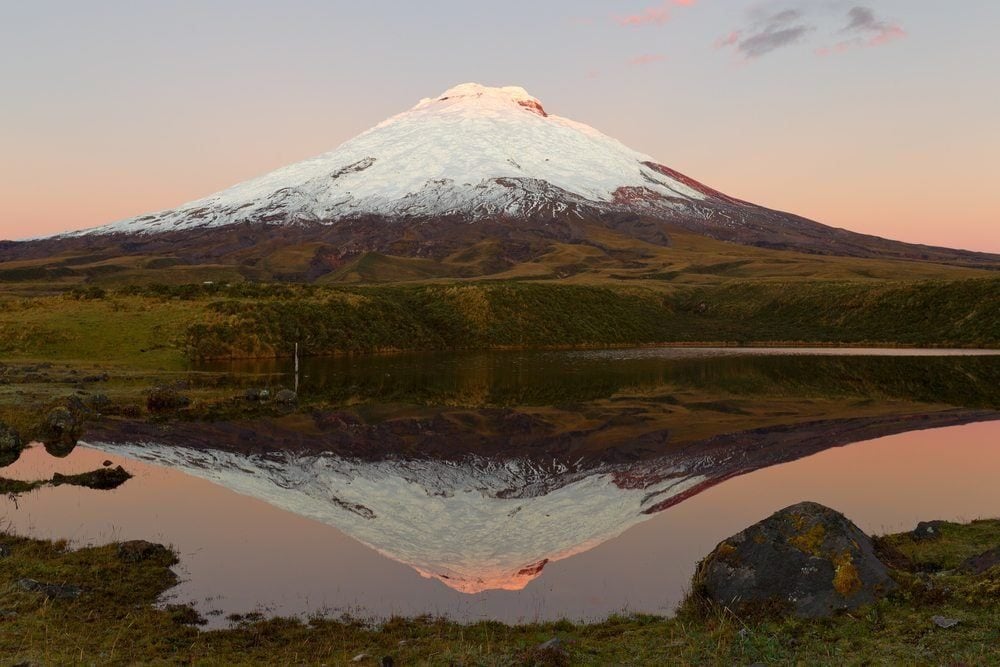
5 Amazing Volcanoes in South America - SouthAmerica.travel
Volcanoes Of South America - Simple English Wikipedia, The Free
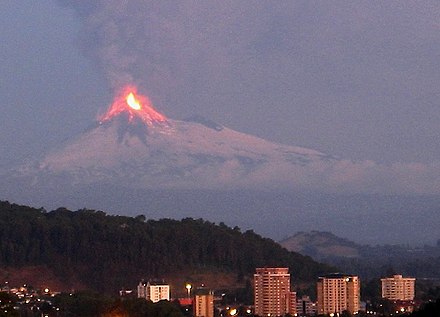
Volcanoes of South America - Simple English Wikipedia, the free ...