The Enduring Legacy of Spanish Colonization in South America
This comprehensive guide examines the profound and multifaceted impact of Spanish colonization on the South American continent. From the first landfall in the Caribbean to the sprawling Viceroyalties that governed millions, you will learn about the key figures, the brutal systems of extraction, the cultural and religious transformations, and the lasting social and political structures that emerged from this pivotal period in history. The article will cover the initial conquests, the establishment of colonial governance, the economic exploitation of resources and people, the role of the Catholic Church, and the eventual seeds of independence, providing a detailed understanding of how three centuries of Spanish rule irrevocably shaped modern South America.
The Arrival and the First Encounters
The Spanish colonization of South America began not on the mainland, but on the islands of the Caribbean. Following Christopher Columbus's voyages in the late 15th century, the Spanish Crown established a foothold on Hispaniola and Cuba. These early settlements served as launching points for expeditions of conquest. The rapid spread of European diseases, to which indigenous populations had no immunity, decimated entire communities, creating a demographic collapse that facilitated Spanish dominance. The first mainland encounters with powerful empires like the Muisca Confederation in present-day Colombia and, most famously, the Inca Empire in the Andes, set the stage for a collision of worlds where superior weaponry, strategic alliances with rival indigenous groups, and internal political turmoil proved decisive for the invaders.
The Conquest of the Inca Empire
The most dramatic and consequential conquest was that of the Inca Empire, which stretched from modern-day Ecuador to Chile. In 1532, Francisco Pizarro led a small force of Spanish conquistadors into the heart of the Inca realm. Exploiting a civil war between two Inca brothers, Atahualpa and Huáscar, Pizarro captured Atahualpa at the Battle of Cajamarca. Despite receiving a room filled with gold and silver as ransom, the Spanish executed Atahualpa. Spanish forces then marched on the capital of Cusco, sacking its temples and palaces. The conquest was not instantaneous; a long and bloody resistance, led by Inca rulers like Manco Inca and Túpac Amaru, continued for decades in the remote Vilcabamba region. However, the central Inca state was shattered, and the foundation for a new colonial order was laid upon its ruins.

The Encomienda and Mita Systems
With vast territories conquered, the Spanish Crown faced the challenge of governing its new subjects. The primary socio-economic structure used was the encomienda system. This granted a Spanish conquistador or colonist (the encomendero) the right to extract tribute and labor from a specific indigenous community. In return, the encomendero was theoretically responsible for the Christianization and protection of that community. In practice, the encomienda became a system of brutal forced labor, often indistinguishable from slavery. Indigenous people were compelled to work in agriculture, mines, and on construction projects. To secure labor for large-scale silver mining, particularly at Potosí (in modern-day Bolivia), the Spanish revitalized the pre-Columbian Inca mita system. This forced a rotating draft of one-seventh of the adult male indigenous population from their home villages to work in the mines under horrific conditions. The combination of overwork, malnutrition, and disease in the encomiendas and mines led to a catastrophic decline in the indigenous population.
Colonial Administration and the Viceroyalties
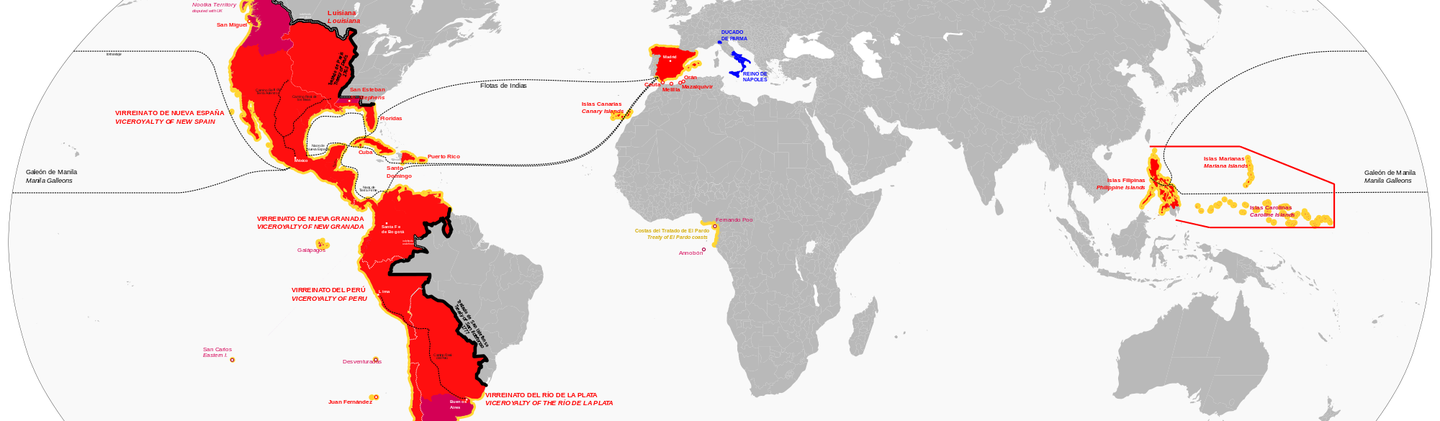
To manage its sprawling American empire, Spain created a highly centralized bureaucratic structure. The Council of the Indies in Seville set policy for the colonies. On the ground, the territory was divided into two primary Vice-royalties in the 16th century: the Viceroyalty of New Spain (encompassing Mexico and parts of Central America) and the Viceroyalty of Peru, which initially covered most of South America. As the empire grew, further subdivisions were made. In the 18th century, the Viceroyalty of New Granada (modern-day Colombia, Ecuador, Panama, and Venezuela) and the Viceroyalty of the Río de la Plata (modern-day Argentina, Uruguay, Paraguay, and Bolivia) were created for more efficient administration. Each viceroyalty was overseen by a viceroy, who reported directly to the king. Below them, audiencias (high courts) and corregidores (local magistrates) handled judicial and administrative duties. This rigid hierarchy ensured that power remained firmly in the hands of Spanish-born officials (peninsulares) who governed over the creoles (American-born Spaniards) and the vast majority of indigenous and mixed-race populations.
Economic Exploitation: Silver, Gold, and Agriculture
The Spanish colonial economy in South America was fundamentally extractive. The single most important economic driver was silver mining. The discovery of the massive silver mountain at Potosí in 1545 created a global economic revolution, flooding European markets with precious metal. Other major mining centers developed in Mexico and in the northern Andes (present-day Colombia). Gold was also extracted, though in smaller quantities than silver. Besides mining, agricultural plantations (haciendas and plantations) produced goods like sugar, cacao, and cotton for domestic consumption and export. The encomienda and mita systems provided the coerced labor force for these extractive industries. Over time, a complex mercantilist system evolved, where colonies were prohibited from trading with any nation other than Spain, and raw materials were shipped to Spain in exchange for manufactured goods. This system, enforced by the Spanish treasure fleets, enriched the Crown and a small elite but stifled local industry and development.
Social Hierarchy and the Casta System
Spanish colonial society was rigidly stratified by race and place of birth. At the top were the peninsulares, Spaniards born in the Iberian Peninsula, who held the highest positions in government and the Church. Below them were the criollos (creoles), people of pure Spanish descent born in the Americas. While wealthy and educated, they were often excluded from top administrative roles, creating deep-seated resentment. The next layers were composed of castas, or people of mixed racial ancestry. The mestizos (Spanish and indigenous) formed a large and growing population. Below them in the social order were mulattos (Spanish and African) and zambos (indigenous and African). At the base of the hierarchy were indigenous peoples and enslaved Africans. This casta system was a complex and often fluid legal and social classification that dictated one's rights, status, occupation, and legal recourse. It created a profoundly unequal society that perpetuated patterns of privilege and subjugation for centuries.
Religious Transformation and the Catholic Church
Conversion to Catholicism was a central justification for Spanish expansion. The Catholic Church quickly became a powerful institution in colonial South America. Mendicant orders such as the Franciscans, Dominicans, and Augustinians built thousands of churches, missions, and schools. They worked to actively suppress indigenous religions, destroying temples, sacred objects, and codices. While many indigenous people were forcibly converted, the process was complex. Often, traditional beliefs and practices were syncretized with Catholicism, creating unique forms of worship, as seen in the veneration of the Virgin of Copacabana or the Señor de los Temblores in Cusco. The Church also served as a major landowner and economic force. However, it was not monolithic. Significant figures like the Dominican friar Bartolomé de las Casas famously denounced the abuses of the encomienda system and advocated for the rights of indigenous peoples, leading to the New Laws of 1542, though these were often poorly enforced in distant colonies.
The Legacy and Seeds of Independence
By the late 18th and early 19th centuries, the Spanish colonial system in South America was under immense strain. The Bourbon Reforms, an attempt by the Spanish Crown to centralize power and increase revenue, alienated the creole elites who had grown accustomed to local autonomy. The successful American and French Revolutions, along with Enlightenment ideas about liberty and popular sovereignty, inspired colonial intellectuals. Napoleon's invasion of Spain in 1808 created a power vacuum that triggered a crisis of legitimacy. Creole-led juntas formed across the continent, initially claiming to rule in the name of the deposed Spanish king, Ferdinand VII, but these quickly evolved into movements for full independence. Leaders like Simón Bolívar in the north and José de San Martín in the south led epic military campaigns that shattered Spanish rule. By 1826, with the fall of the last royalist strongholds, Spanish colonies in South America had achieved independence. Yet the new nations were forged in the image of the colony: they inherited the caste system, economic dependency on commodity exports, centralized political structures, and deeply ingrained social inequalities that would challenge their development for generations.
Conclusion
Spanish colonization fundamentally transformed South America, creating a new civilization from the fusion and conflict of European, indigenous, and African elements. The period was marked by immense violence, demographic catastrophe, and the systematic exploitation of human and natural resources. The colonial systems of governance, labor (the encomienda and mita), and racial hierarchy (the casta system) left an indelible mark on the continent's social fabric. The economic focus on mining and agriculture for export established patterns of dependency that persist today. While the Catholic Church became a central institution, it also forced a profound religious and cultural shift. The eventual independence movements were a direct result of the internal contradictions and revolutionary ideas unleashed by the colonial experience. Understanding this complex and often brutal history is essential to comprehending the modern nations of South America—their languages, cultures, political structures, and the deep-seated social challenges they continue to confront. The legacy of Spanish colonization is not a single event but an enduring, living history.
Spanish Colonization And Its Impact
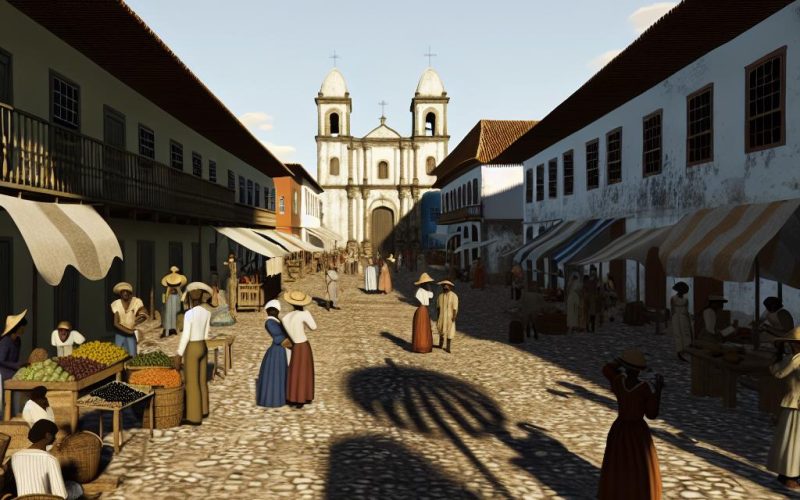
Spanish colonization and its impact
Colonization Of South America

Colonization Of South America
Spanish Colonies In South America Spanish Colonization Of The Americas
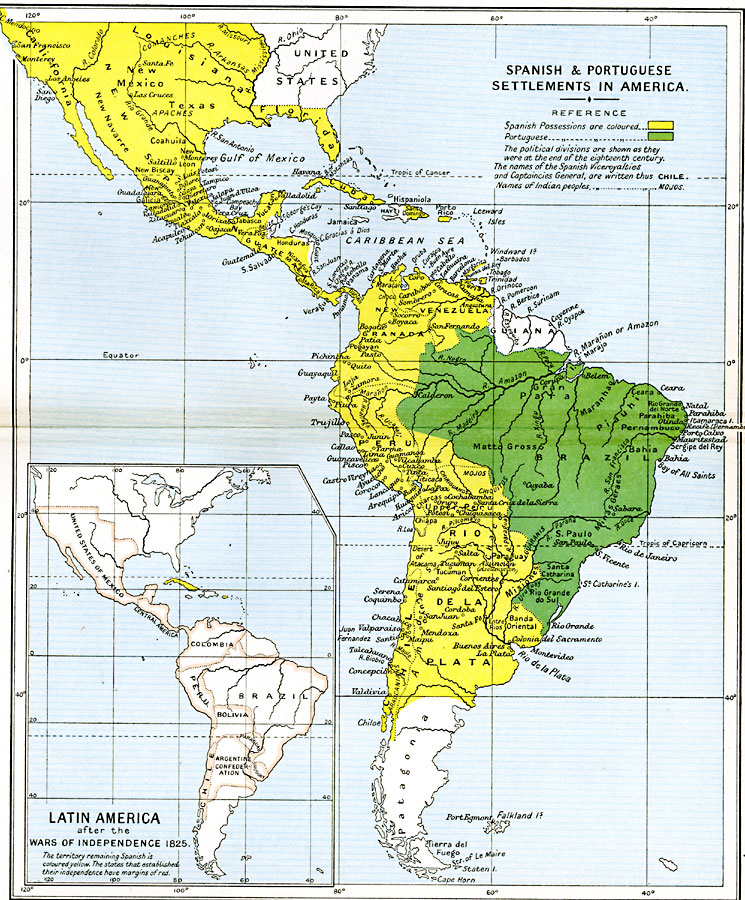
Spanish Colonies In South America Spanish Colonization Of The Americas
Spanish COlonization | PDF

Spanish COlonization | PDF
Spanish Colonization Of The Americas - Alchetron, The Free Social
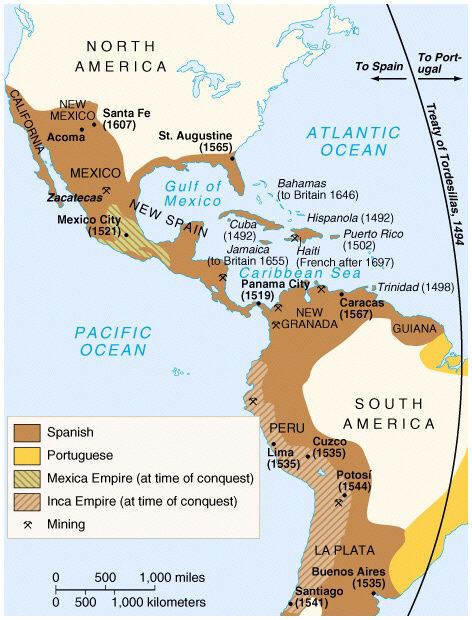
Spanish colonization of the Americas - Alchetron, the free social ...
Spanish Colonization Of Central America
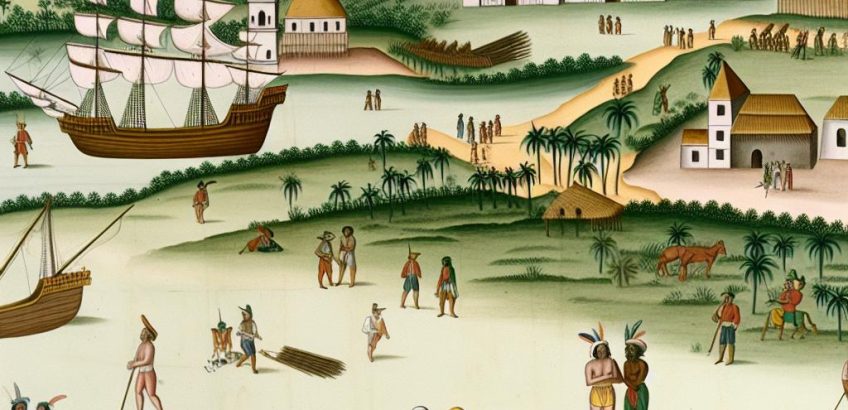
Spanish colonization of Central America
Lesson 4 Spanish Colonial Experience | PDF | Spanish Colonization Of

Lesson 4 Spanish Colonial Experience | PDF | Spanish Colonization Of ...
Colonization Of South America
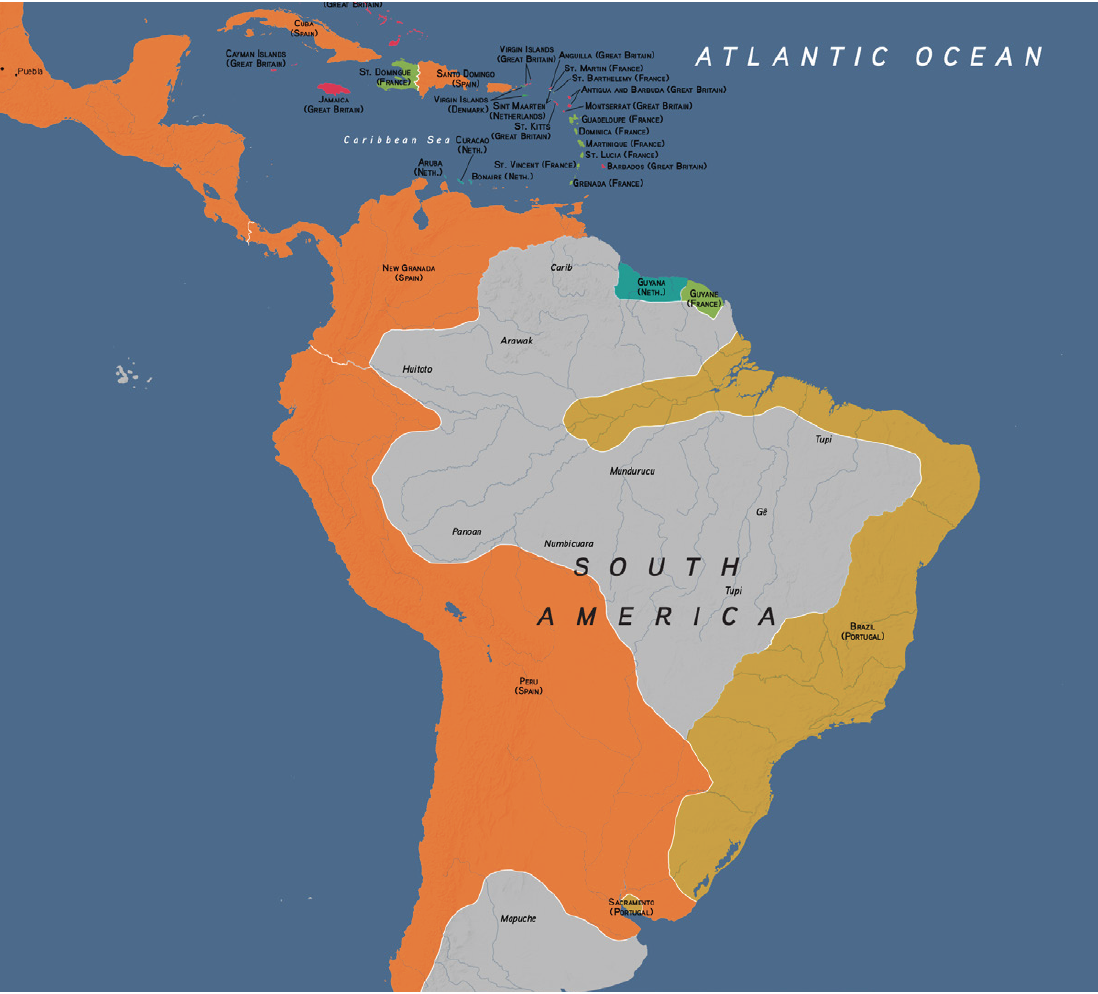
Colonization Of South America
- The Enduring Legacy Of Spanish Colonization: A Historical Perspective
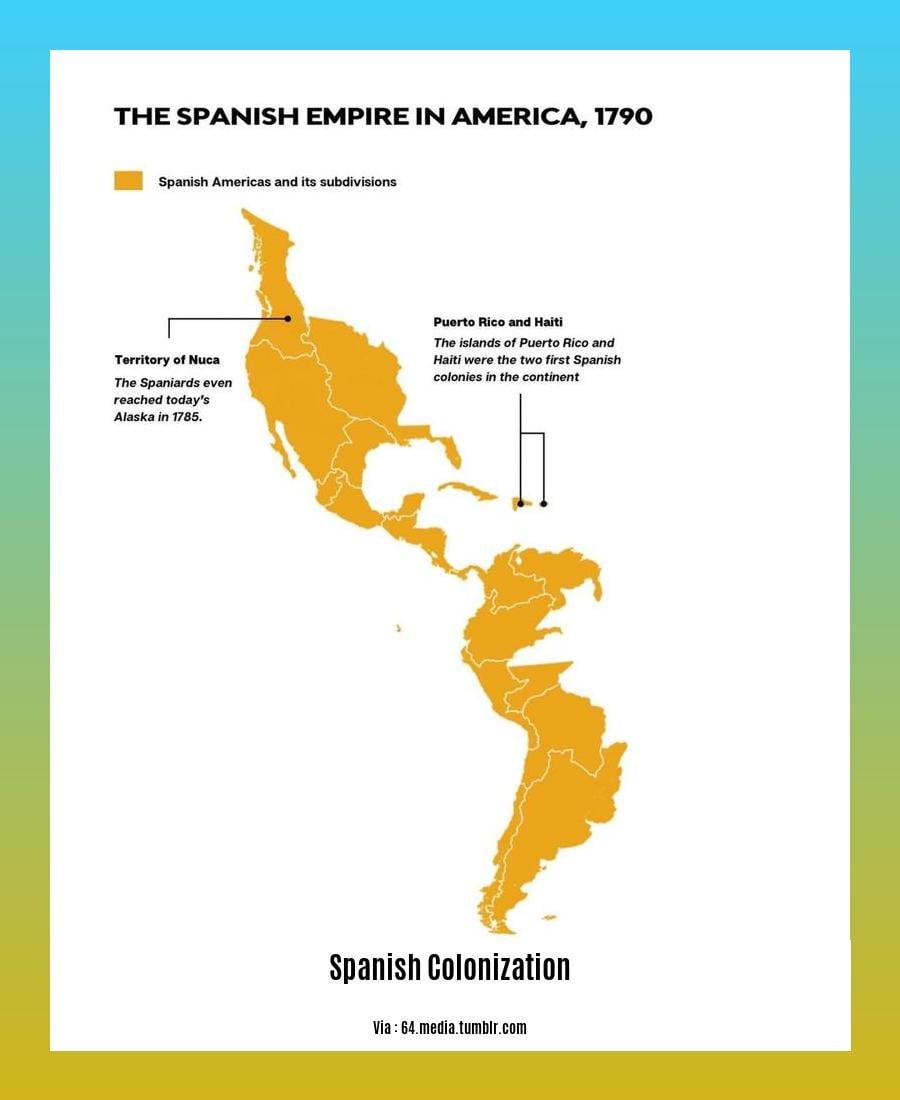
- The Enduring Legacy of Spanish Colonization: A Historical Perspective
French And Spanish Colonization How The USA Bought Louisiana From

French And Spanish Colonization How The USA Bought Louisiana From
Timeline Of Spanish Colonization Discover The Timeline & History Of

Timeline Of Spanish Colonization Discover The Timeline & History Of
Spanish Colonization Group 1 2 | PDF | Christopher Columbus | Spanish

Spanish Colonization Group 1 2 | PDF | Christopher Columbus | Spanish ...
Spanish Colonization Map Spanish Colonization Archives Ben

Spanish Colonization Map Spanish Colonization Archives Ben
- The Enduring Legacy Of Spanish Colonization: A Historical Perspective
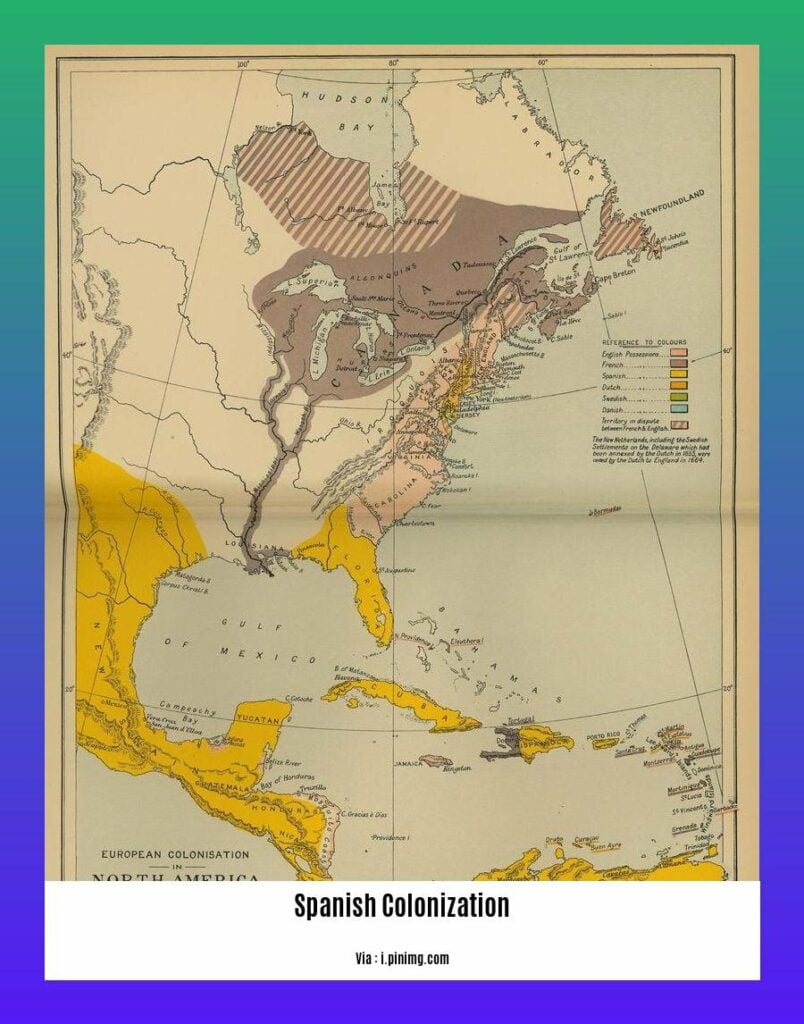
- The Enduring Legacy of Spanish Colonization: A Historical Perspective
MODULE 5 Spanish Colonization | PDF | Spanish East Indies | Philippines

MODULE 5 Spanish Colonization | PDF | Spanish East Indies | Philippines
Colonization: South America - Empire Of Spain

Colonization: South America - Empire of Spain
- The Enduring Legacy Of Spanish Colonization: A Historical Perspective
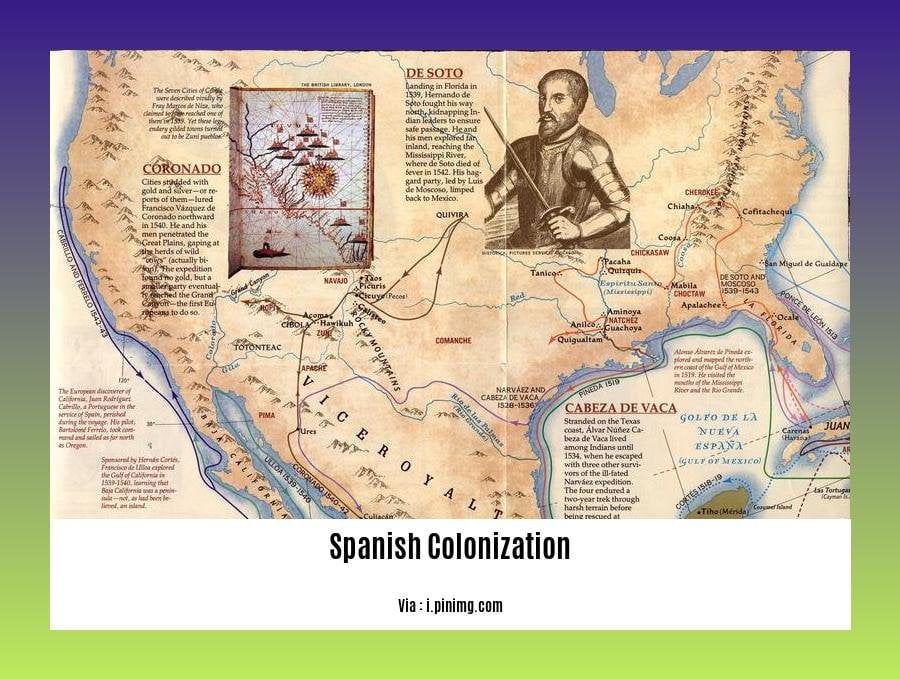
- The Enduring Legacy of Spanish Colonization: A Historical Perspective
The Spanish Colonization | PDF

The Spanish Colonization | PDF
Spanish Colonization | PDF | Spanish Colonization Of The Americas

Spanish Colonization | PDF | Spanish Colonization Of The Americas ...
Spanish Colonies In South America Spanish Colonization Of The Americas

Spanish Colonies In South America Spanish Colonization Of The Americas
Spanish Colonization Of South America Timeline | Timetoast Timelines
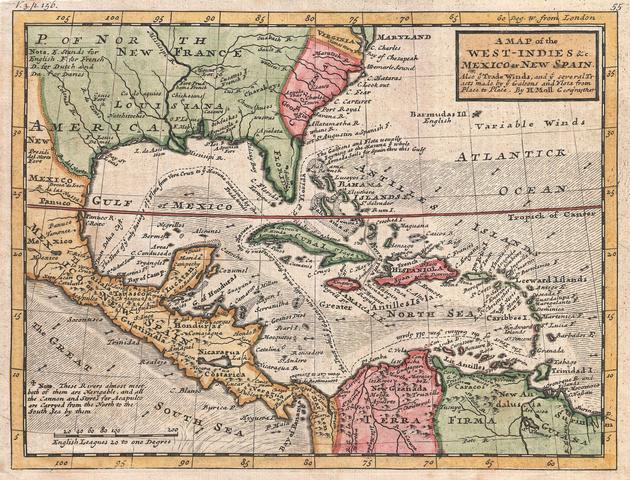
Spanish Colonization of South America Timeline | Timetoast timelines
Spanish Colonization Hi-res Stock Photography And Images - Alamy
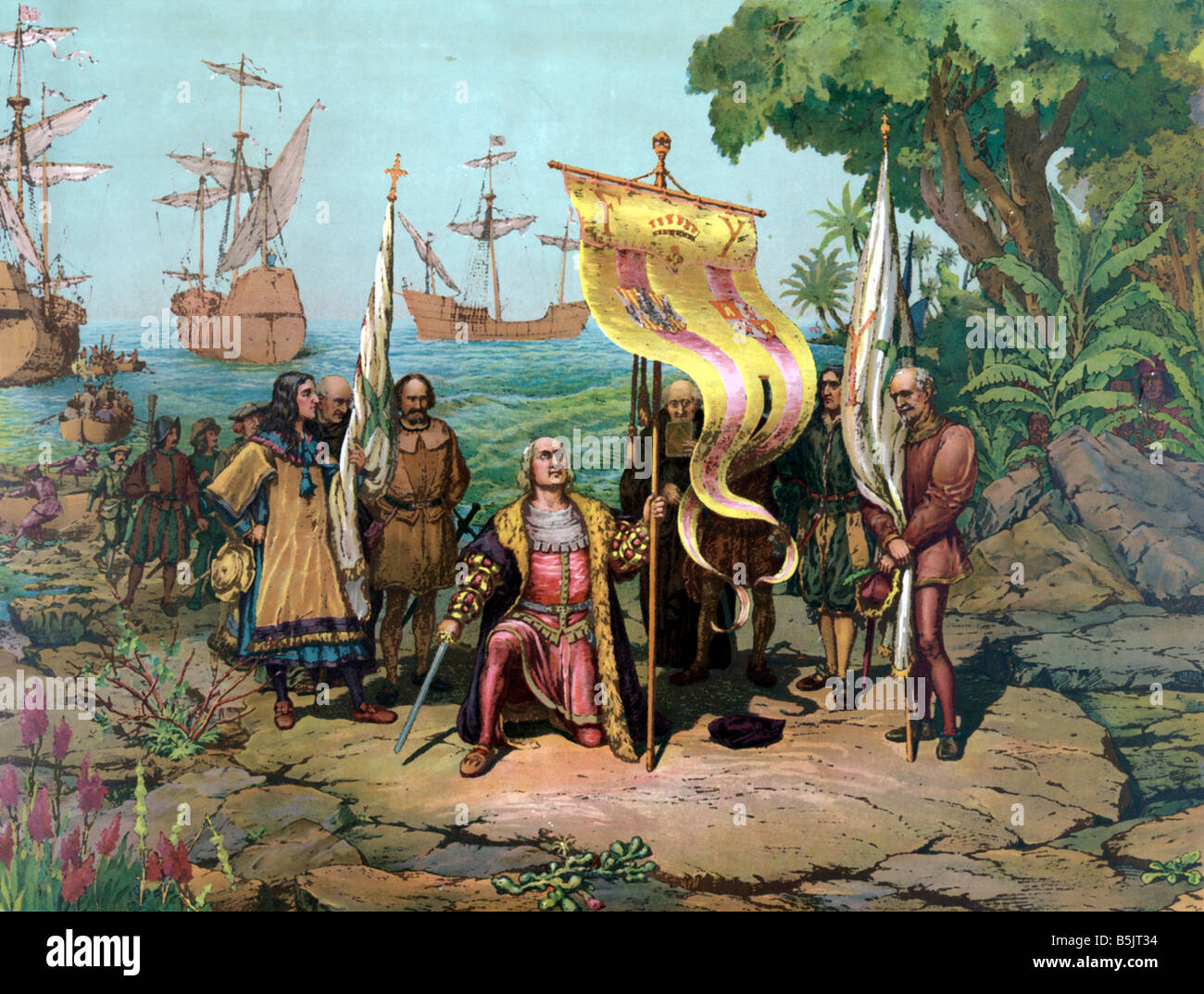
Spanish colonization hi-res stock photography and images - Alamy
Spanish Colonisation Of South America
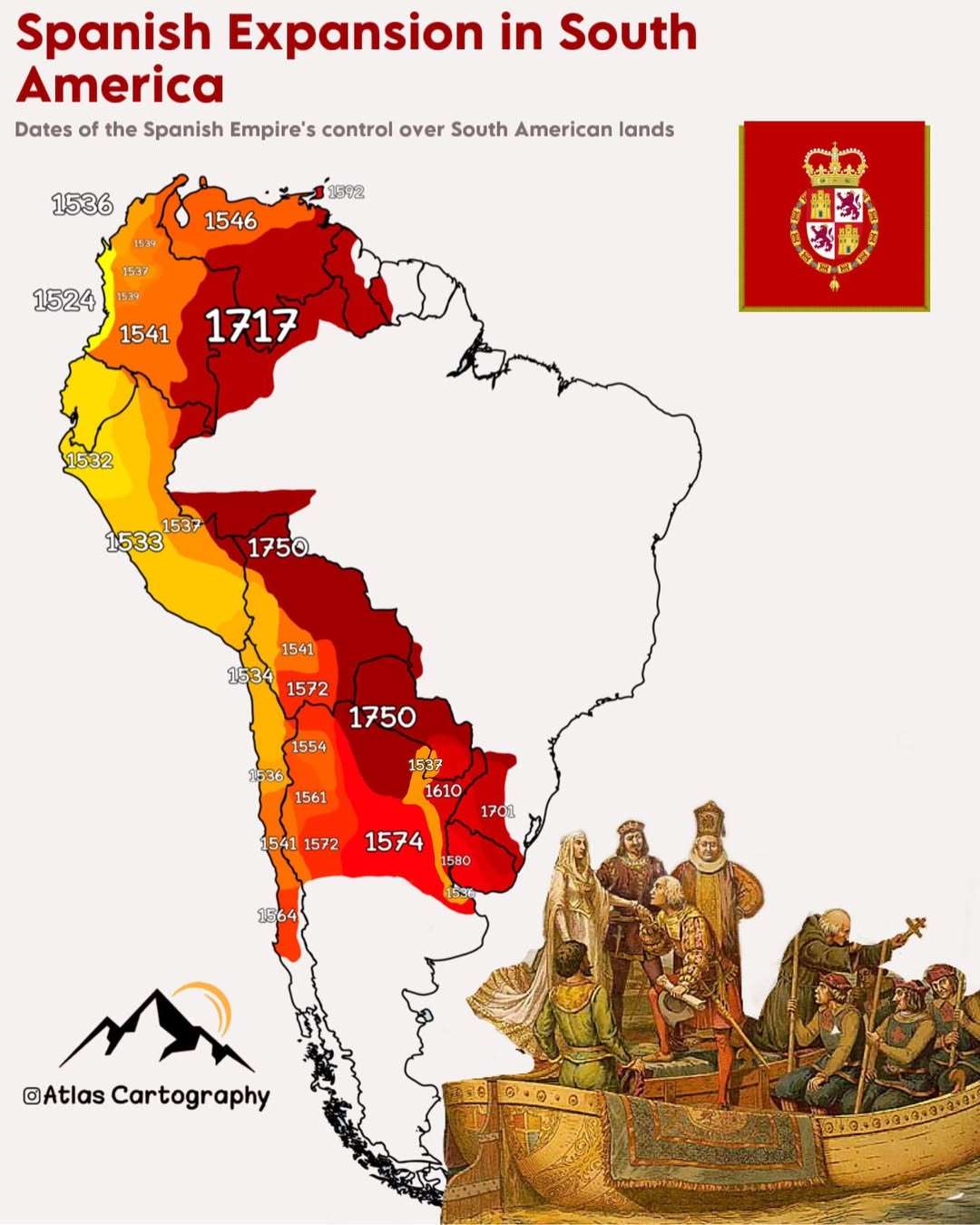
Spanish colonisation of South America
Spanish Colonization Period | PDF | Philippines

Spanish Colonization Period | PDF | Philippines
The Spanish Exploration And Colonization Of The Americas: A Historical
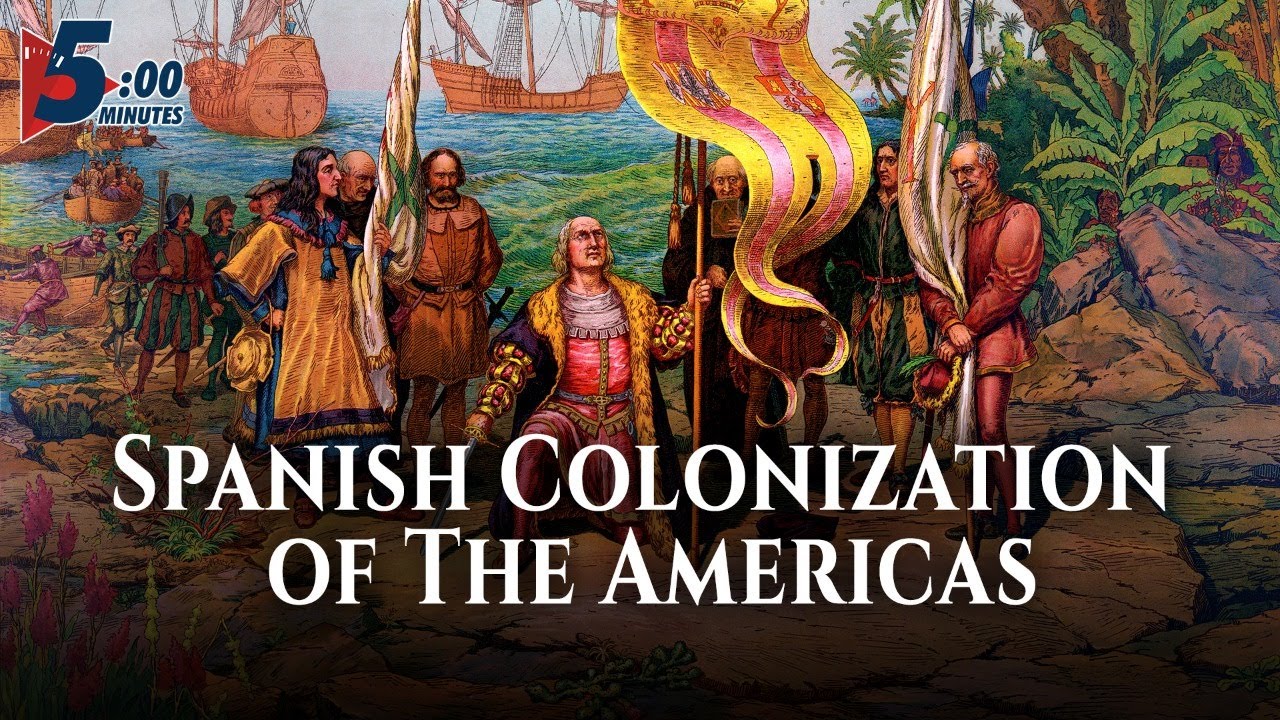
The Spanish Exploration and Colonization of the Americas: A Historical ...
Colonization: South America - Empire Of Spain

Colonization: South America - Empire of Spain
Timeline Spanish Colonization | PDF | Spanish East Indies | Philippines

Timeline Spanish Colonization | PDF | Spanish East Indies | Philippines
Spanish Colonization Timeline - Have Fun With History
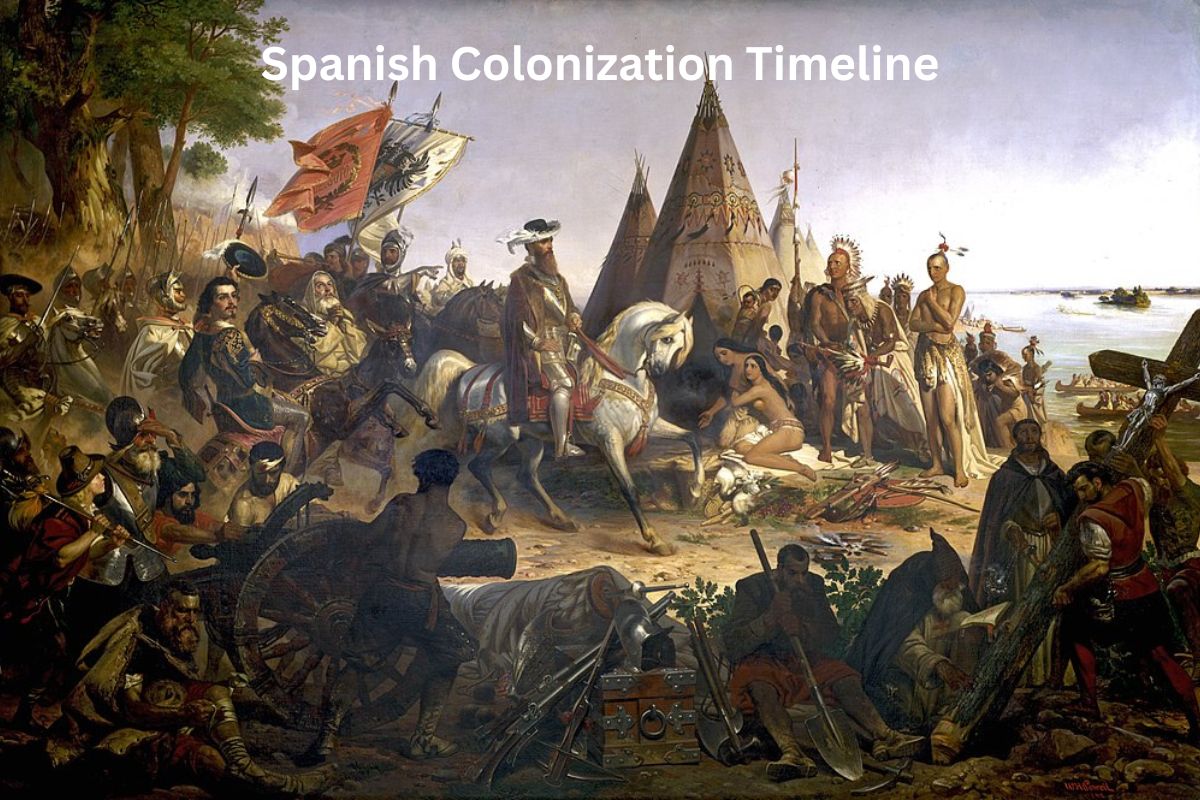
Spanish Colonization Timeline - Have Fun With History
Colonization: South America - Empire Of Spain

Colonization: South America - Empire of Spain
Spanish Colonization Of America

Spanish Colonization of America
AC
AC
Spanish Colonization Of North America Christopher Columbus
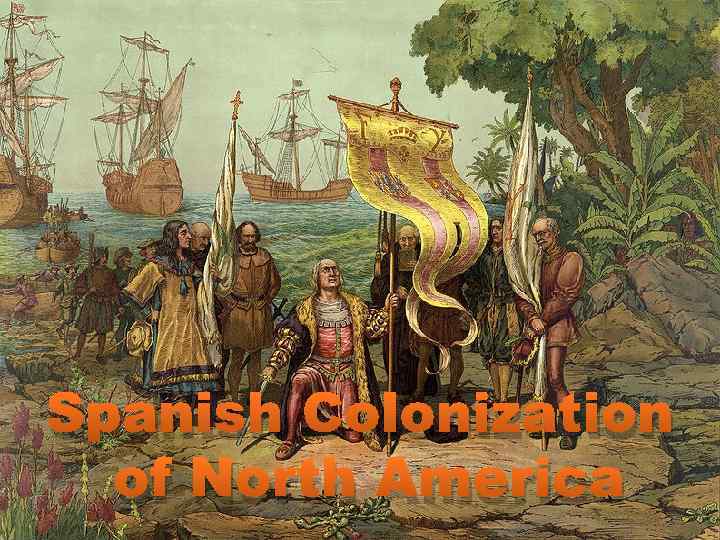
Spanish Colonization of North America Christopher Columbus
Spanish Colonization Of North America Christopher Columbus
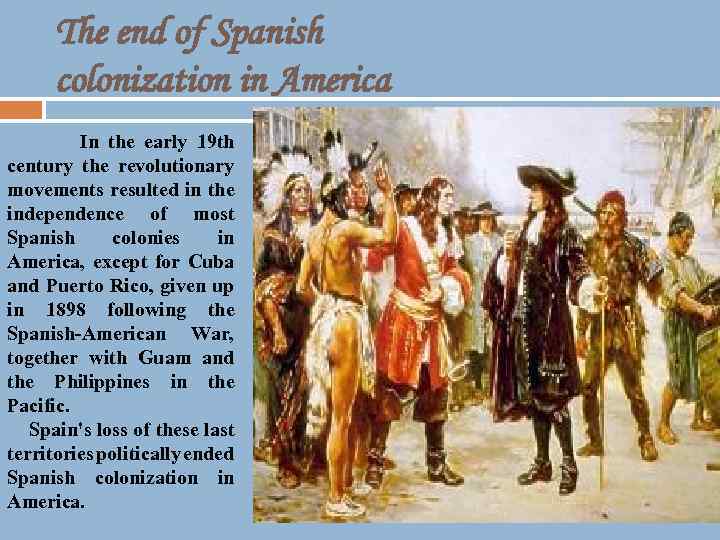
Spanish Colonization of North America Christopher Columbus
Spanish Colonization Of Central And South America - For Over 300 Years
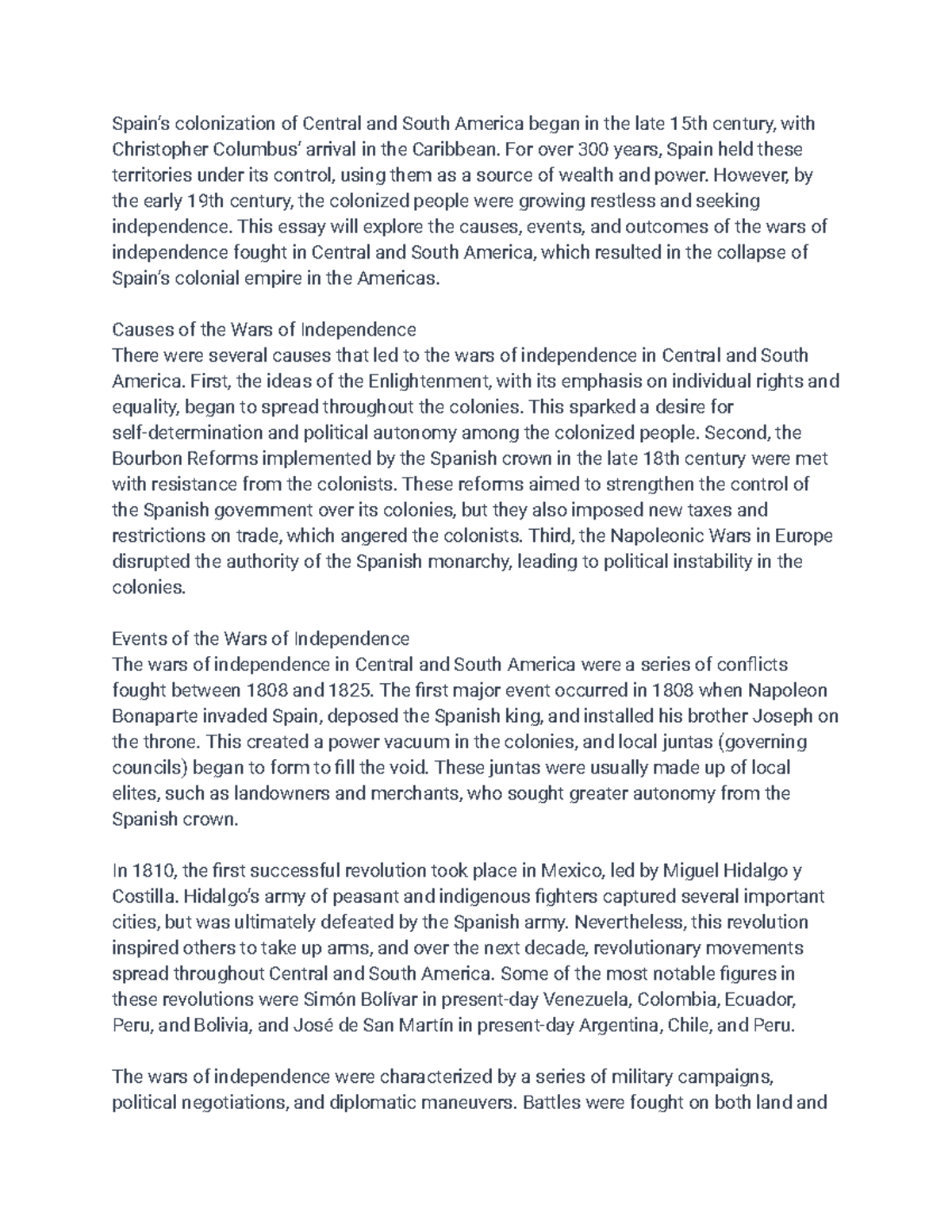
Spanish Colonization of Central and South America - For over 300 years ...
South America Colonization Spain And Portugal Both Came
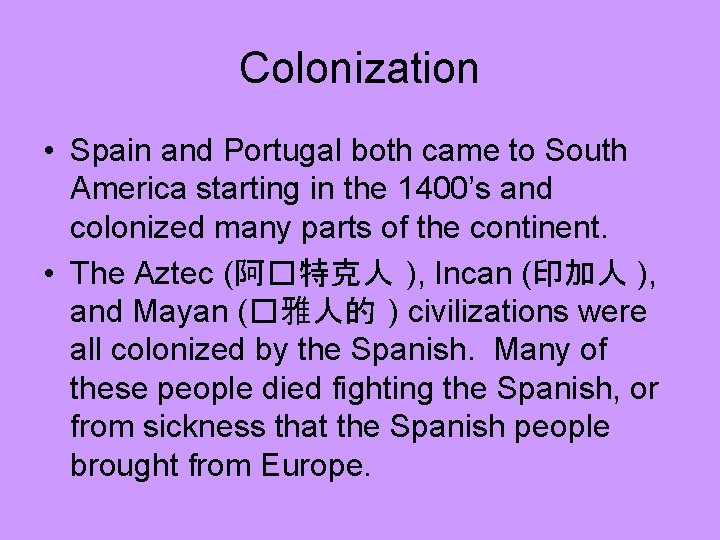
South America Colonization Spain and Portugal both came